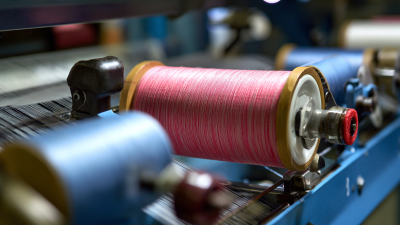
Top Automatic Textile Machines to Boost Your Production Efficiency?
In the fast-paced textile industry, efficiency is crucial. Businesses often seek ways to streamline their production processes. This is where the Automatic Textile Machine comes into play. These machines are designed to enhance productivity and minimize operational costs. With precise technology, they enable manufacturers to increase output while maintaining quality.
However, not all automatic machines are created equal. Selecting the right machine can be challenging. Factors such as production volume and fabric type influence this choice. It's essential to weigh the pros and cons of each option. Some machines may require higher initial investments. Yet, they often provide better long-term returns.
Adopting an Automatic Textile Machine can significantly transform production lines. Despite their benefits, businesses must be aware of potential adjustments needed during implementation. Training staff and maintaining machines is vital for success. In the quest for efficiency, a thoughtful approach to integrating technology can make a difference.
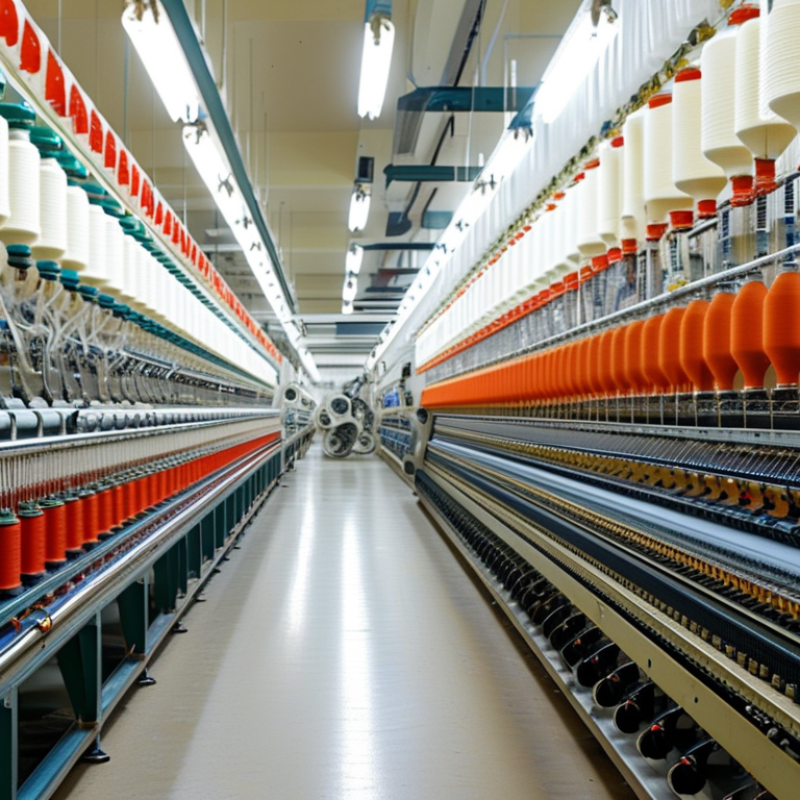
Top Trends in Automatic Textile Machines for Enhanced Production
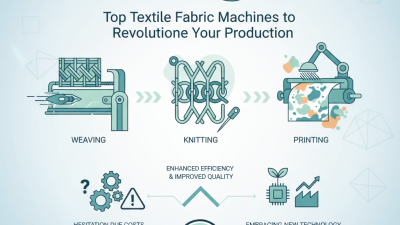
The textile industry is rapidly evolving. Automatic machines are at the forefront of this transformation. These machines enhance production efficiency significantly. In recent years, several trends have emerged that focus on integration and automation.
One major trend is the use of Artificial Intelligence (AI) in textile manufacturing. AI enables machines to analyze data and optimize processes. This leads to better quality control. Another trend is the rise of IoT (Internet of Things) integration. Machines connected via IoT can communicate and share data. This connectivity allows for real-time monitoring and adjustments, increasing overall efficiency.
However, while these technologies show promise, challenges remain. Many factories struggle to implement these systems fully. Training workers to operate new technology can be difficult. Additionally, the initial investment in automated machinery often deters smaller businesses. Reflecting on these issues is crucial for future advancements. Embracing innovation while addressing these challenges will shape the future of textile manufacturing.
Key Features to Look for in Automatic Textile Machines
In the fast-paced textile industry, selecting the right automatic machines can significantly enhance production efficiency. Key features are crucial in navigating this decision-making process. A report from the International Textile Manufacturers Federation indicates that manufacturers adopting advanced automation can reduce labor costs by up to 30%. This highlights the importance of investing in machines with integrated automation that streamlines processes.
When evaluating automatic textile machines, consider the level of integration with existing systems. Machines that offer real-time monitoring and data analytics can provide insights into operational efficiency. According to a study by the World Textile Organization, manufacturers using data-driven approaches can improve production efficiency by 15-20%. These insights help in identifying bottlenecks and optimizing workflows.
Additionally, examine the machine's adaptability to various fabrics and production scales. Flexibility is essential as the market demands quick adjustments. The Global Textile Industry Report shows that companies achieving this flexibility see a 25% increase in customer satisfaction. Nonetheless, investing in such advanced machines may come with a learning curve. Training staff effectively is vital to leverage the full potential of these technologies. Balancing investment with training needs is a critical reflection point for many companies.
Comparative Analysis of Leading Automatic Textile Machines
The textile industry strives for efficiency through automation. Leading automatic textile machines have transformed production processes in recent years. According to industry reports, automation can increase production rates by 30-50%. This advancement is crucial as global textile demand continues to rise.
A comparative analysis reveals noteworthy variances among machines. Factors such as speed, versatility, and precision significantly impact overall productivity. Some machines can produce up to 2000 meters of fabric per hour. Others specialize in intricate patterns, offering flexibility but potentially sacrificing speed.
Despite the increasing reliance on automation, challenges persist. Operators must adapt to new technologies. Some machines have steep learning curves, which can create inefficiencies during training phases. There is a concerning trend of underutilization, where operators fail to maximize machine capabilities. Addressing these issues is vital for unlocking the full potential of automatic textile machines.
Top Automatic Textile Machines to Boost Your Production Efficiency
| Machine Model |
Production Rate (m/min) |
Power Consumption (kW) |
Precision (%) |
Automation Level |
| Model A |
100 |
5.5 |
98% |
High |
| Model B |
120 |
6.0 |
95% |
Medium |
| Model C |
80 |
4.0 |
99% |
High |
| Model D |
150 |
7.5 |
97% |
High |
| Model E |
90 |
5.0 |
96% |
Medium |
Impact of Automation on Textile Production Efficiency
Automation is reshaping the textile industry dramatically. A recent report by the Textile Institute indicates that adopting automated systems can enhance productivity by up to 40%. As machines take over repetitive tasks, human workers can focus on more complex duties. This shift has proven vital in reducing production time and costs.
Moreover, automation minimizes human error, leading to higher quality products. Estimates suggest that the total cost savings from automation may reach 20% in labor and waste reduction. However, the transition is not without challenges. Many small to mid-sized manufacturers report difficulties in integrating new technologies into existing workflows. They often face barriers such as high initial investment and lack of skilled labor.
While automation presents a clear path to efficiency, the industry must address these issues. Training programs are essential to equip workers with the skills to interact with advanced machines. As the industry evolves, balancing automation with human expertise remains crucial for sustainable growth. Without thoughtful implementation, the benefits of automation may not fully materialize.
Impact of Automation on Textile Production Efficiency
Case Studies: Success Stories from Automated Textile Facilities
Automated textile facilities are setting new benchmarks in efficiency and productivity. A case study from a leading facility shows how they integrated automatic knitting machines. These machines reduced human error significantly, leading to higher accuracy in production. The facility reported a 30% increase in output within six months. Operators noted that fewer mistakes allowed them to focus on creative tasks.
Another example highlights a company that implemented cutting-edge dyeing technology. While the initial setup was costly, the long-term benefits outweighed the investment. They achieved consistent color quality across batches. However, they faced challenges with staff training to adapt to the new system. This gap in skills slowed initial progress but ultimately led to a well-trained team that could maximize the machine's capabilities.
These success stories illustrate the tangible benefits of automation in textile production. Yet, they also remind us that change comes with challenges. Facilities must prioritize continuous learning to stay ahead. Automation is not just about machines; it’s about the people who operate them.