China Best Ring Spinning Machine Options for Efficient Textile Production?
In the competitive world of textile production, selecting the right machinery is vital. The Ring Spinning Machine stands out as a preferred choice for manufacturers seeking efficiency and quality. Known for its ability to produce high-quality yarn at a faster pace, this machine has become integral in modern spinning mills.
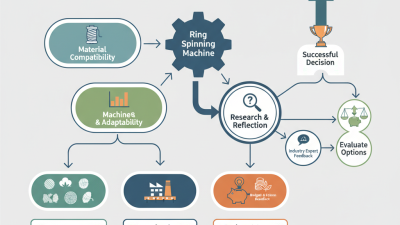
Various options exist within the market, each boasting unique features that cater to specific production needs. Understanding these variations can help businesses streamline their operations. However, navigating the complexities of these machines requires expertise. An informed decision can lead to significant improvements in productivity and product quality.
Moreover, it’s crucial to consider long-term maintenance and support when choosing a Ring Spinning Machine. Companies must reflect on their future requirements and potential challenges. Despite the advantages, selecting the perfect machine can sometimes feel overwhelming. Careful research and evaluation will ensure that businesses invest wisely in the right technology for their textile production needs.
Overview of Ring Spinning Machines in China's Textile Industry
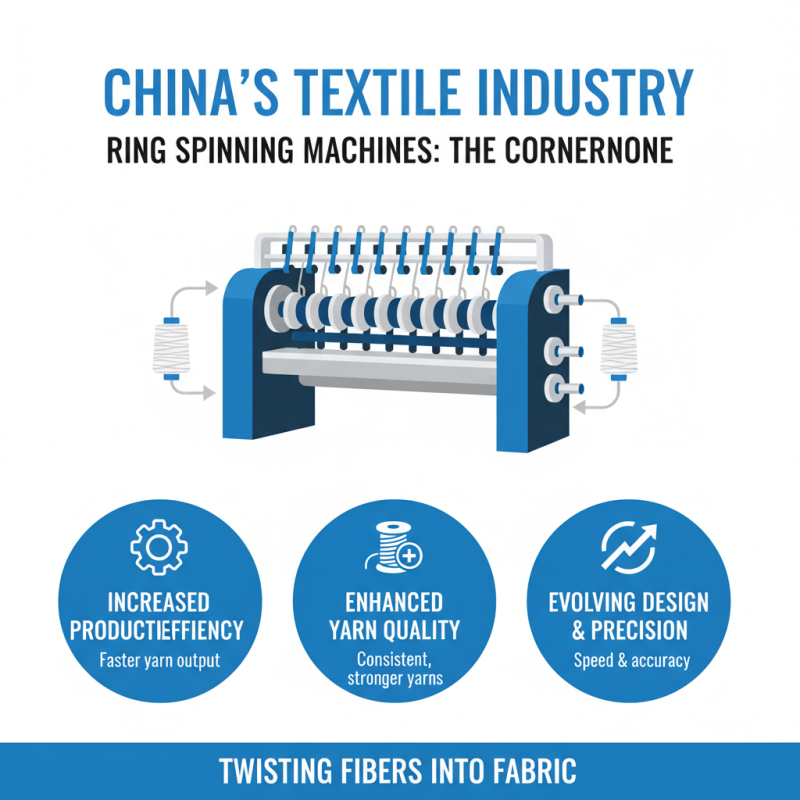
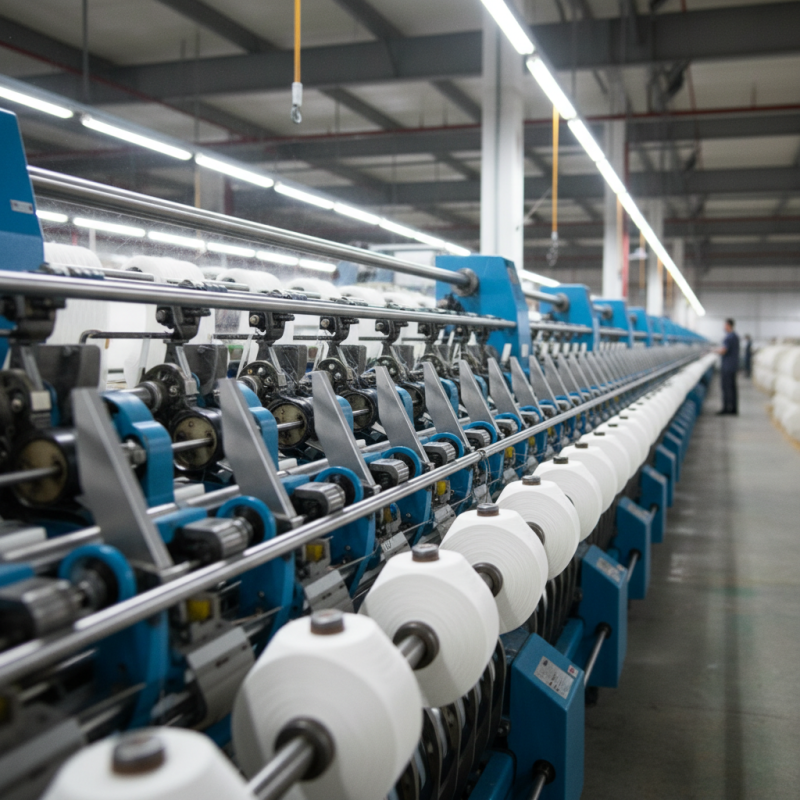
Ring spinning machines are a cornerstone of China's textile industry. They enhance production efficiency and quality. These machines twist fibers into yarn, making them suitable for various fabrics. The design of these machines is constantly evolving, reflecting the industry's needs for speed and precision.
Several factors influence the choice of a ring spinning machine. Production volume, fiber types, and desired yarn characteristics play crucial roles. While older models may have reliability, newer options often promise better efficiency. However, potential buyers should reflect on the balance between cost and technology. Investing in advanced machines requires careful consideration.
Despite technological advances, challenges persist. Many factories struggle with maintenance and training. Operators may lack the skills to maximize machine performance. Therefore, continuous education and support are essential for optimal operation. The right balance of technology and human expertise is vital for success in textile production.
Key Features of High-Performance Ring Spinning Machines
When looking for high-performance ring spinning machines, several key features stand out. Efficiency is paramount in textile production. A machine that operates seamlessly with minimal downtime is essential. Advanced drive systems allow for swift adjustments, enhancing productivity. Look for machines that offer easy maintenance. This reduces interruptions during production runs.
Another crucial aspect is the machine's versatility. High-quality ring spinning machines accommodate various yarn types. This adaptability can cater to different market demands. Additionally, advancements in technology provide better yarn quality. Consistent tension and control lead to fewer defects. However, even the best machines can face challenges in meeting high-speed demands while maintaining quality.
User-friendliness is also significant. Operators should find controls intuitive, aiding quick training. Yet, some machines may still present a learning curve. It’s important to evaluate operator feedback to optimize performance. The long-term cost of operation should not be overlooked. A higher initial investment may lead to savings in energy and maintenance over time. Careful consideration of these attributes will ensure you choose the right machine for your needs.
China Best Ring Spinning Machine Options for Efficient Textile Production
| Model |
Spin Count Range (Ne) |
Production Speed (RPM) |
Energy Consumption (kWh) |
Automation Level |
Key Features |
| Model A |
20 - 40 |
120 - 180 |
0.5 |
High |
Compact design, low vibration |
| Model B |
30 - 60 |
150 - 230 |
0.7 |
Medium |
Smart controls, user-friendly interface |
| Model C |
15 - 50 |
100 - 200 |
0.6 |
Low |
High adaptability, easy maintenance |
| Model D |
25 - 55 |
130 - 220 |
0.4 |
High |
Energy-efficient, low noise |
Leading Manufacturers of Ring Spinning Machines in China
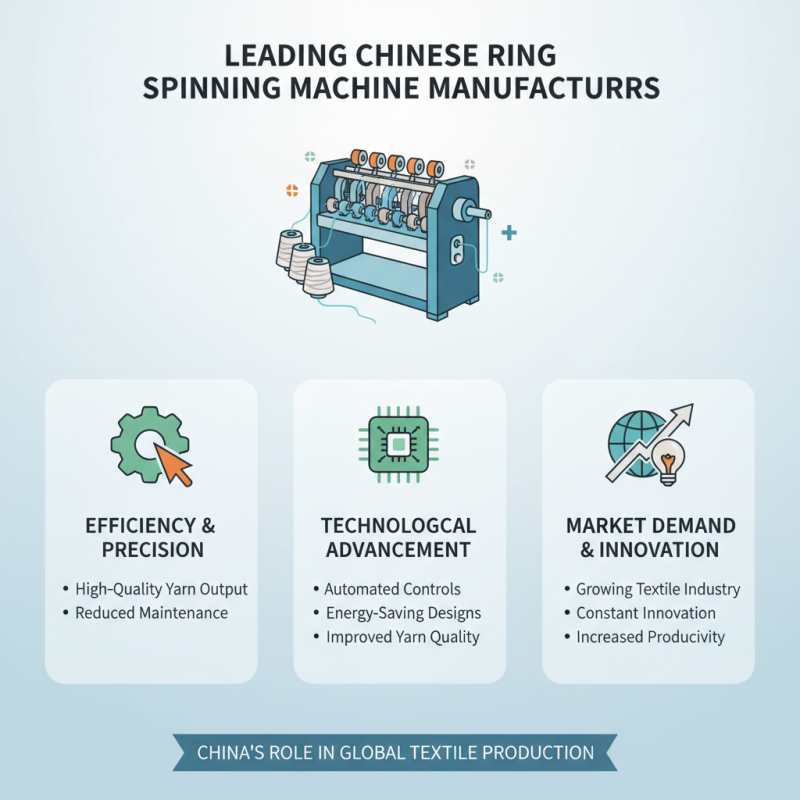
China is home to several leading manufacturers of ring spinning machines, which play a crucial role in textile production. These machines are designed for efficiency and precision, ensuring high-quality yarn output. With the increasing demand for textiles, manufacturers are constantly innovating to enhance productivity. The technology in ring spinning has advanced significantly, offering features that improve yarn quality and reduce maintenance costs.
In recent years, companies have introduced machines that are not only faster but also more energy-efficient. This shift towards sustainable production is important for both manufacturers and the environment. However, choosing the right machine can be challenging for textile producers. Each model carries unique specifications and operational needs, which can lead to confusion.
Moreover, while many manufacturers highlight their strengths, it can be difficult to discern which machines truly excel. Some models may promise the latest technology, but in practice, they may not perform as expected. Thus, it is essential for buyers to conduct thorough research and possibly seek expert opinions before making a purchase. Reliable reviews and case studies can provide insights into the real-world performance of these machines, aiding in informed decisions.
Advantages of Ring Spinning Technology for Textile Efficiency
Ring spinning technology has revolutionized textile production, significantly enhancing efficiency. This method enables smoother yarn production, reducing the number of defects and increasing overall quality. By offering finer and stronger yarns, ring spinning allows manufacturers to produce high-quality textiles suitable for various applications.
Tips: Regular maintenance is key. Keep machines clean. This can prevent breakdowns and extend their lifespan.
The flexibility of ring spinning is particularly advantageous. It accommodates various fiber types and yarn counts, making it an excellent choice for diverse textile products. Also, it offers producers the ability to quickly adapt to market demands. However, one must consider the initial investment in machinery and training. Balancing costs and efficiency can be tricky.
Tips: Train staff thoroughly. This ensures effective use of ring spinning machines and maximizes production.
Choosing ring spinning can lead to significant gains in operational efficiency. Yet, it isn’t without challenges. It requires a thorough understanding of machine settings and fiber characteristics. Ignoring these aspects can result in subpar production. Exploring these opportunities allows for practical growth in the textile industry while embracing its complexities.
China Best Ring Spinning Machine Options for Efficient Textile Production
Future Trends in Ring Spinning Machinery for Sustainable Production
The future of ring spinning machinery is leaning toward sustainability, a crucial factor for textile production. Innovations focus on reducing energy consumption and waste. Manufacturers are integrating eco-friendly materials into their designs. This shift is necessary for meeting global environmental standards.
Tips: Consider investing in energy-efficient machinery. It may incur higher initial costs but saves money long-term. Monitor machine performance regularly to ensure optimal efficiency.
The need for sustainable practices is reshaping the industry. Companies are exploring automation to minimize labor costs and human error. However, technology can sometimes overlook the human element of craftsmanship. Balancing these advancements with traditional skills remains a challenge.
Tips: Train staff on new technologies. Facilitate workshops to blend innovation with traditional techniques. Encourage feedback to improve processes and productivity.