How to Choose the Best Automatic Viscose Equipment for Your Business?
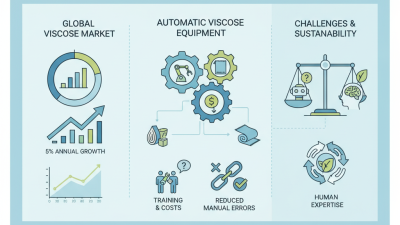
Choosing the right Automatic Viscose Equipment is crucial for your business's success. The viscose industry has grown significantly, with a report from Grand View Research indicating a market size of over $10 billion by 2025. As production demands rise, selecting efficient equipment becomes essential to stay competitive.
Industry expert Dr. Alice Thompson states, "Investing in top-notch Automatic Viscose Equipment can drastically improve production efficiency." This insight highlights the importance of technology in modern manufacturing. However, making the right choice is not simple. Different equipment offers varying features and costs, leading to confusion.
Investors must weigh several factors, including technology, maintenance, and scalability. Each piece of equipment presents unique benefits and challenges. For example, while some machines work faster, they may also require more maintenance. Balancing these elements can sometimes feel overwhelming. The goal is clear: find reliable Automatic Viscose Equipment that meets your business needs effectively.
Understanding the Basics of Automatic Viscose Equipment Technologies
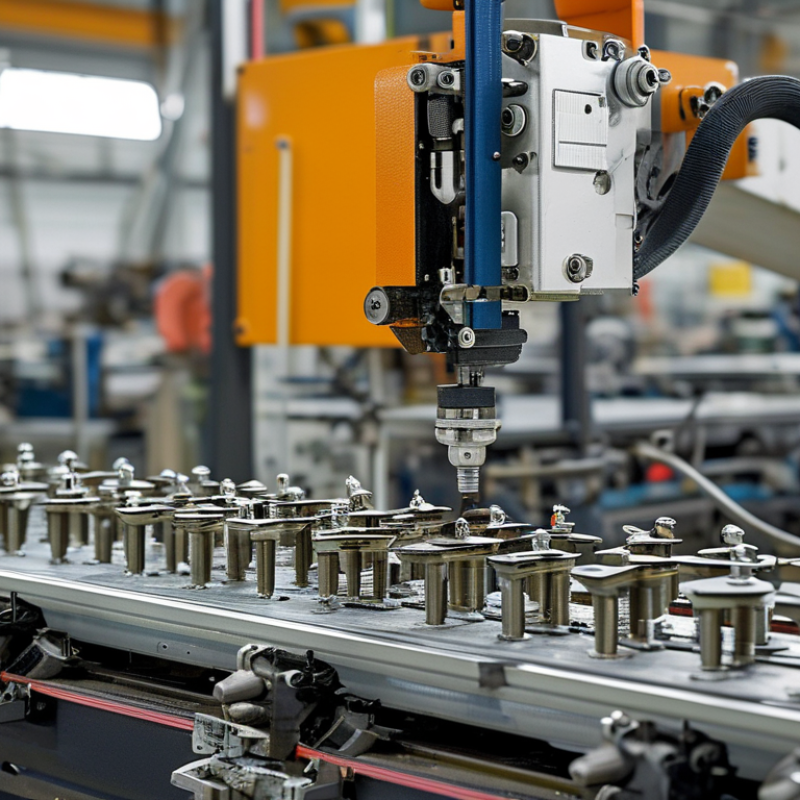
Automatic viscose equipment plays a crucial role in textile manufacturing. Understanding the technology behind these machines is essential for making informed decisions. These machines convert cellulose into viscose fiber. This process involves a few key technologies that users must grasp.
One notable technology is the dissolution process. This step requires precise temperature control. Small deviations can lead to poor fiber quality. Another crucial aspect is the spinning process. Here, the dissolved cellulose is extruded through spinnerets. This part often requires fine-tuning to maintain consistency in fiber diameter.
However, not every machine is perfect. Some automated systems may face operational inefficiencies. Regular maintenance can mitigate these issues, but it requires time and expertise. It’s worth considering the skill level of your team when choosing equipment. The right balance between automation and manual oversight can lead to greater success.
Identifying Key Features and Specifications for Your Needs
When selecting automatic viscose equipment, it's crucial to identify the key features that align with your business goals. Start by considering the production capacity. A machine with a higher output can significantly influence efficiency. Look for options with adjustable settings. Flexibility helps tailor the process to your specific needs.
Precision in control is another vital aspect. Having accurate measuring systems can greatly enhance product quality. Monitor the machine’s energy consumption as well. An efficient machine reduces operational costs over time. Also, consider maintenance requirements. A machine that is easy to service can save you time and hassle.
Lastly, ensure the equipment has robust safety features. Safety should never be overlooked. Training staff to operate machinery is just as important. Investing in the right equipment means balancing performance, safety, and cost. It's essential to reflect on these factors to make an informed decision.
Evaluating Production Capacity and Efficiency for Your Business
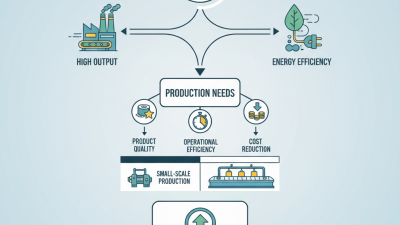
When determining the best automatic viscose equipment for your business, production capacity and efficiency are crucial factors. Assessing your expected output allows you to match equipment specifications with your production goals. For instance, consider the daily tonnage you aim to produce. This will help you identify machines that can handle such volumes without excessive downtime.
You should also evaluate the energy consumption of the equipment. Machines that are energy-efficient often translate to lower operating costs. However, it's essential to balance performance and energy usage. Choosing equipment purely based on efficiency may compromise some production aspects. Test the equipment's performance with smaller batches before committing to larger orders.
Don’t overlook maintenance requirements, as this impacts your overall efficiency. Equipment requiring frequent repairs can disrupt production schedules. Analyzing customer reviews or consulting industry experts can provide insights into reliability. Remember, attempting to maximize output without proper assessments can lead to operational failures or increased operational costs. The key is finding a balance that suits your specific business needs.
How to Choose the Best Automatic Viscose Equipment for Your Business? - Evaluating Production Capacity and Efficiency for Your Business
| Parameter |
Value |
Comments |
| Production Capacity (kg/h) |
500 |
Suitable for medium-sized operations |
| Efficiency (%) |
90 |
High efficiency with low waste |
| Energy Consumption (kWh) |
50 |
Efficient energy usage |
| Footprint (m²) |
30 |
Compact design for limited space |
| Maintenance Frequency (months) |
6 |
Regular maintenance recommended |
| Noise Level (dB) |
75 |
Moderate noise level |
Comparing Brands and Manufacturers in the Viscose Equipment Market
When selecting automatic viscose equipment, it's essential to analyze various brands and manufacturers. Different companies offer distinct features, pricing, and service packages. Conduct thorough research to understand what each brand specializes in. Look for manufacturers who have been in the market for years. Longevity often indicates reliability and expertise.
Evaluate the specifications and technology each brand uses. Some may focus on efficiency, while others prioritize quality output. Client testimonials can be valuable, revealing how a brand performs in real-world applications. However, not every review will be positive. Some users may express dissatisfaction, pointing to issues with maintenance or support. Take these insights into account.
Additionally, pay attention to after-sales service. A great brand should provide ongoing support and easy access to spare parts. This reliability can minimize downtime in your production process. Remember, the best choice may not always be the most expensive option. Reflect on your specific needs and budget constraints before making a decision. Your equipment should align with your business goals while providing reliability and value.
Comparative Analysis of Automatic Viscose Equipment Performance
Assessing Cost-Effectiveness and Return on Investment (ROI)
Choosing automatic viscose equipment can significantly impact your business's success. Cost-effectiveness and ROI are crucial. A wise investment should provide long-term benefits. Analyzing upfront costs is vital. Look beyond just the purchase price. Include maintenance, energy consumption, and labor costs in your assessment.
Utilize clear metrics to evaluate ROI. Calculate potential gains from increased productivity. Estimate time savings and quality improvements. It’s essential to measure these over time. Some businesses overlook these factors and regret it later. The cheapest option may not always be the best. Think about long-term reliability and support.
Implement a trial period to gauge equipment performance. Gather feedback from your team. This hands-on experience reveals unforeseen challenges. Equipment that seems perfect on paper may disappoint in practice. Invest time in research and keep learning about industry advancements. A thoughtful approach ensures a better fit for your operations.