How to Choose the Right Machines for the Textile Industry?
The textile industry is a dynamic sector that significantly impacts global economies. According to a report by Market Research Future, the global textile market is projected to reach over $1 trillion by 2025, driven by innovations in Textile Industry Machines. Choosing the right machinery is crucial for optimizing production efficiency and meeting changing consumer demands.
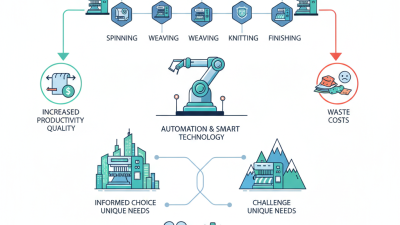
With the advent of technology, more options are available for manufacturers. Robotics, automation, and smart machines have transformed traditional processes. However, selecting the right Textile Industry Machines can be daunting. It's essential to consider factors like production volume, fabric type, and energy efficiency. Choosing incorrectly can lead to increased costs and wasted resources.
This landscape is constantly evolving. Manufacturers must reflect on their needs and capabilities regularly. Investing in the right equipment may seem costly initially, yet it can lead to significant long-term savings. Ultimately, effective decision-making hinges on a deep understanding of one's specific operational needs and market trends.
Factors to Consider When Selecting Textile Machinery for Production
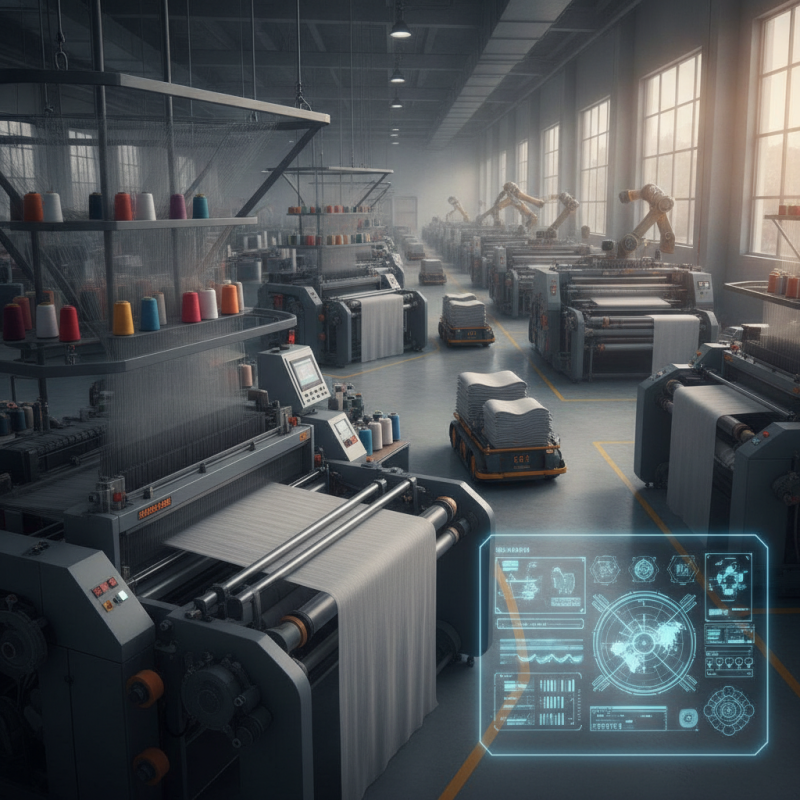
When selecting machinery for the textile industry, consider the specific needs of your production. Assess your production volume and the types of fabrics you’ll be working with. For example, high-speed machines may be necessary for large-scale production. But what if your business focuses on specialty fabrics? In this case, flexibility and precision become more important.
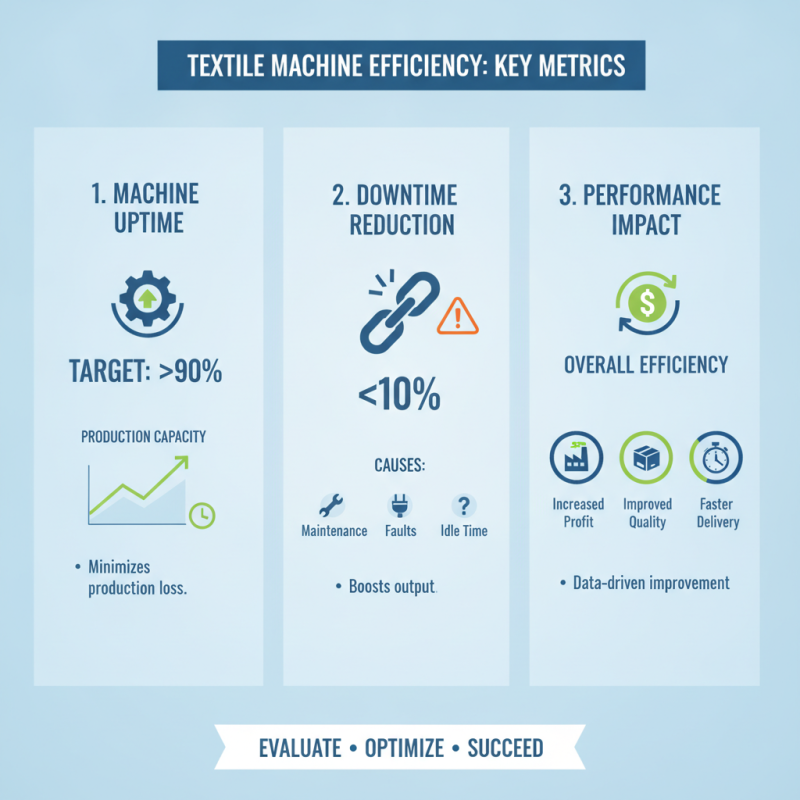
Energy efficiency is another critical factor. Machines that consume less power can significantly reduce operating costs. Ask yourself, how much does it impact production efficiency? Furthermore, maintenance requirements vary widely among machines. Understanding the upkeep involved helps prevent downtime. Evaluate if your team can handle the maintenance or if it requires outside expertise.
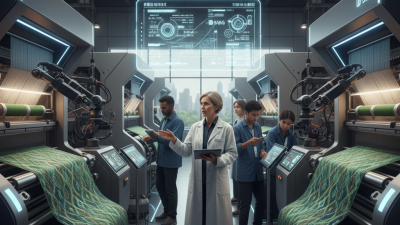
Lastly, think about technological integration. Many modern machines offer smart features. These features can enhance productivity and reduce waste. However, be mindful of the learning curve. Investing in advanced technologies may not always align with your team's current skill set. Balancing innovation with practicality is essential for sustainable growth. Engaging with industry experts can aid in making informed decisions.
Understanding the Different Types of Textile Machines and Their Functions
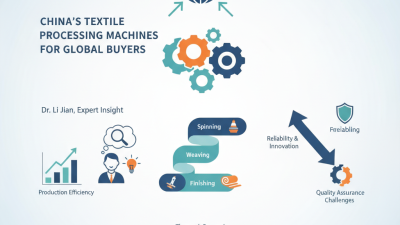
Choosing the right machines for the textile industry involves understanding the various types available and their specific functions. Textile machinery can broadly be categorized into spinning, weaving, and finishing machines. The global textile machinery market is expected to reach USD 27.28 billion by 2026, reflecting the industry's ongoing growth and technological advancements.
Spinning machines, like ring or open-end systems, are crucial for converting fibers into yarn. They play a pivotal role in determining the quality of the final product. Weaving machines, such as shuttle and shuttle-less looms, then transform yarn into fabric. It's essential to choose machines with the latest technology for efficiency and sustainability.
Tips: Invest in machines that allow for easier upgrades. This ensures that you're not stuck with outdated technology as innovations continue to emerge. Consider the space and energy consumption of each machine. Make informed decisions based on production capacity and maintenance needs.
Finishing machines, which include heat setting and dyeing equipment, enhance the fabric's appearance and performance. However, there's often a disconnect between the investment in machines and the expected output. It's vital to conduct thorough research to align machine capabilities with market demands. Lack of proper testing and evaluation can lead to mismatches in production needs.
Cost-Benefit Analysis: Investment in Textile Machinery Over Time
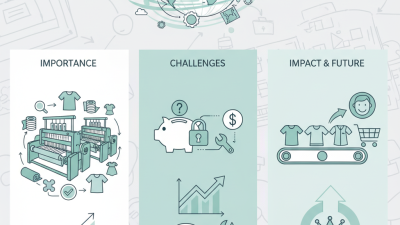
Investing in textile machinery is a significant decision for manufacturers. A
cost-benefit analysis helps in understanding long-term impacts.
Initially, the upfront costs can be daunting. However, considering efficiency gains and product quality is crucial.
Over time, advanced machines often lead to reduced labor costs.
Operational efficiency is another essential factor. Modern machines can significantly decrease production time.
This increase allows businesses to meet market demands quickly. Yet, not all machinery guarantees effectiveness.
Some may not fit specific production needs, leading to wasted resources.
Evaluating each machine's capabilities against production goals is necessary.
Additionally, maintenance costs must be factored in. High-performance machines can occasionally require specialized repairs.
This can add unexpected expenses. Tracking these costs over time can help ascertain machinery value. Many manufacturers overlook this aspect,
putting them at financial risk. Thoughtful consideration of investment versus returns is vital.
Assess risks and rewards wisely.
Emerging Technologies in Textile Machinery: Innovation and Sustainability Trends
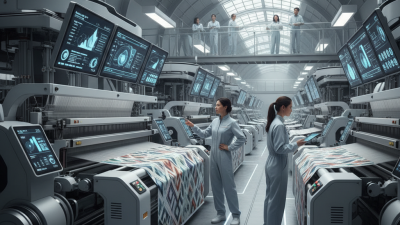
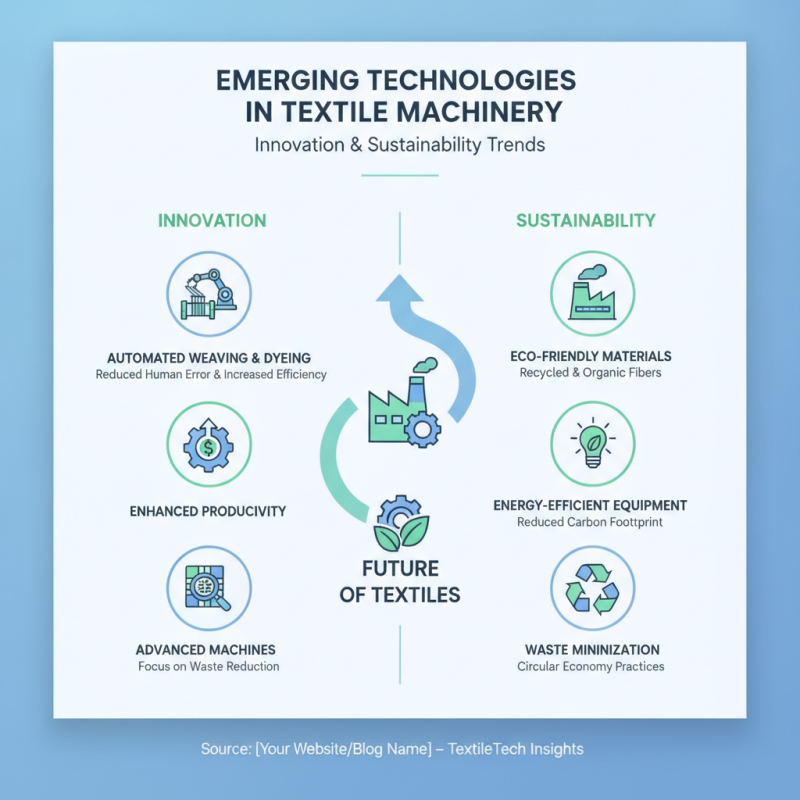
In the textile industry, emerging technologies lead the way toward innovation and sustainability. Advanced machines now focus on reducing waste while enhancing productivity. For instance, automation in weaving and dyeing processes can minimize human error and increase efficiency. Sustainable practices are being adopted, such as using eco-friendly materials and energy-efficient equipment.
Tips: Research the latest tech trends. They can improve your operation significantly. Also, consider investing in machines that offer versatility. This flexibility can help meet diverse customer demands.
Additionally, data analytics plays a crucial role in optimizing textile production. Collecting and analyzing data can identify areas for improvement. However, implementing new technologies requires careful planning. Businesses must assess their readiness to embrace change and adapt to new workflows. This reflection is vital for long-term success.