10 Essential Tips for Choosing the Right Textile Fabric Machine?
Choosing the right Textile Fabric Machine is a crucial decision for any business in the textile industry. With a vast array of options available, understanding specific needs is paramount. Your requirements can vary based on production scale, material types, and desired output quality. These factors will directly influence your machine selection.
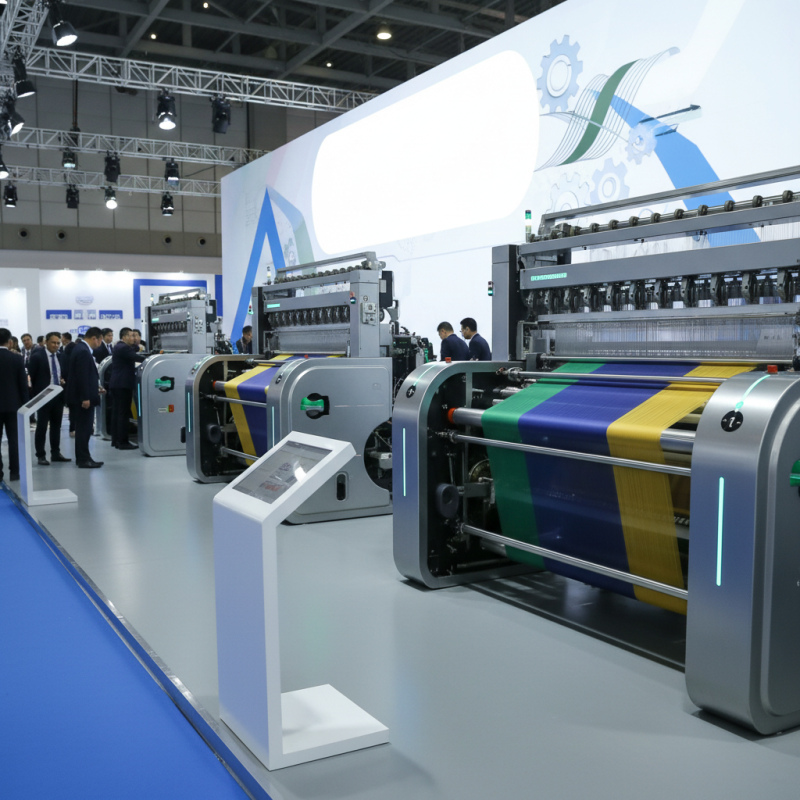
The upcoming Canton Fair in 2026 showcases advanced manufacturing technologies, including cutting-edge textile machines. This event will be a valuable opportunity to explore innovations and compare various brands. AI-driven search features will help you find suppliers with essential certifications like ISO and CE quickly.
Not every machine is perfect. Some may offer impressive features yet fail in durability. Others may lack essential upgrades despite low costs. Careful research and reflection on your business goals will guide you in making the best choice for your Textile Fabric Machine.
Understanding Different Types of Textile Fabric Machines
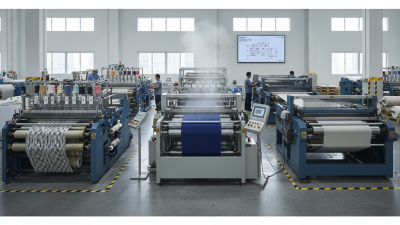
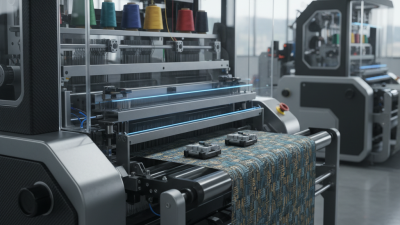
When selecting a textile fabric machine, understanding the various types available is crucial. These machines vary in function and capability. For example, weaving machines create fabrics by interlacing threads. They are essential for producing denim, silk, and canvas. A knitting machine, on the other hand, forms fabric by interlocking loops of yarn. This method is ideal for stretchy materials like jersey and fleece.
Another option is embroidery machines, which add decorative designs to fabrics. They come with preset patterns and can also be programmed for custom designs. Each machine type presents unique benefits and challenges. Users need to consider their specific needs, like scale and fabric type, when making a choice. Different machines often require dedicated training. There can be a steep learning curve, which may lead to initial errors.
Many users overlook maintenance aspects. Frequent upkeep is necessary to ensure the machine operates smoothly. Neglecting this may result in breakdowns or poor-quality output. At times, the complexity of certain machines might overwhelm new users. Patience is vital as mastering these machines can be a gradual process. Reflecting on these factors can lead to better decision-making.
Understanding Different Types of Textile Fabric Machines
Factors to Consider When Choosing a Textile Fabric Machine
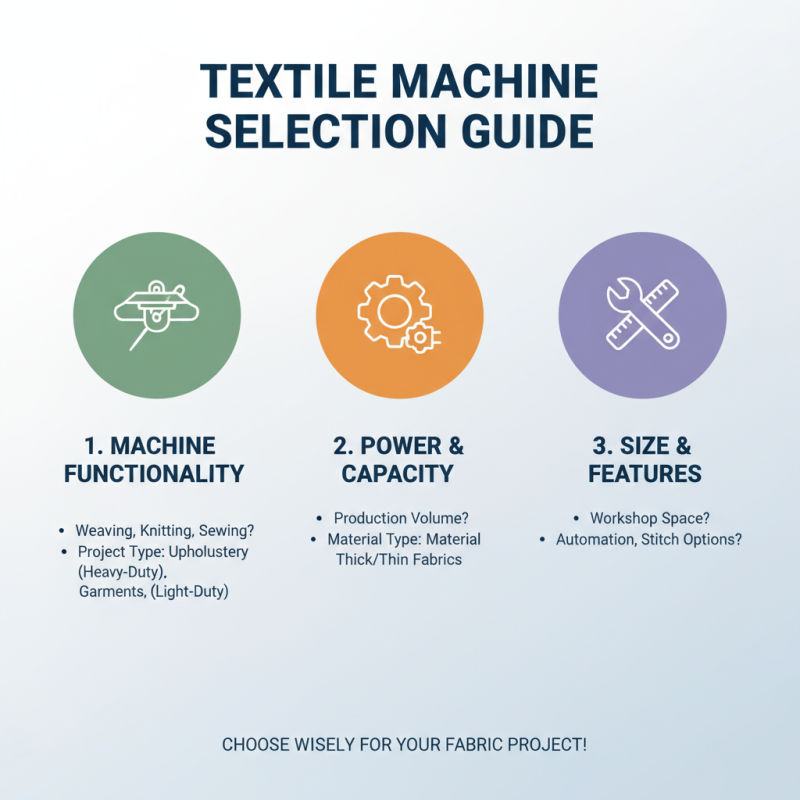
Choosing the right textile fabric machine is crucial for any fabric project. One important factor to consider is the machine's functionality. Different machines serve various purposes, such as weaving, knitting, or sewing. It helps to identify the specific type of textile work you intend to perform. For instance, if you are focused on upholstery, you may need a heavy-duty sewing machine. However, a lighter machine may suffice for crafting garments.
Another aspect to think about is the ease of use. Some machines come with complex settings that can be daunting. If you are a beginner, opt for user-friendly models. It might save you hours of frustration. Additionally, consider the durability of the machine. How long do you plan to use it? Investing in a quality machine may be beneficial for long-term use. However, if you need it for a short project, a more affordable option might be sufficient.
Finally, don’t overlook the importance of customer support. Machines can malfunction, and having guidance can make a difference. Check if the manufacturer provides a warranty. Also, read reviews to understand others' experiences. This can highlight potential issues you may not have considered. Balancing these factors may require careful thought, and it’s okay to revisit your choices.
Evaluating Machine Specifications and Features
When selecting a textile fabric machine, evaluating machine specifications and features is crucial. Start with the machine’s speed. A faster machine can boost productivity but may sacrifice quality. It's essential to balance speed with the intricacy of the fabric you plan to work with. Check the stitch options available. Versatile machines offer various stitches, which can be beneficial for different projects.
Pay attention to the machine’s build quality. A sturdy frame usually translates to longevity. However, some heavier models can be challenging to move around. Consider the machine's user interface. Complicated controls may lead to frustration. Someone experienced might easily adjust, but beginners could struggle. It's helpful to have clear instructions or an intuitive design.
Don’t overlook the size of the machine. Compact models are great for small spaces, but they might limit capabilities. Think about your workspace and long-term needs. Lastly, reflect on the after-sales support provided. Service can vary significantly. A lack of support may lead to challenges down the road if issues arise. Make sure you choose wisely.
10 Essential Tips for Choosing the Right Textile Fabric Machine
| Feature |
Importance Level |
Recommended Specifications |
Additional Notes |
| Stitch Type |
High |
Multi-stitch capability |
Ensure it supports necessary stitch types for your work |
| Speed |
Medium |
800-1200 stitches per minute |
A balance between speed and quality is crucial |
| Needle Type |
High |
Interchangeable needles |
Different fabrics require different needle types |
| Computerization |
Medium |
Built-in designs and programming capabilities |
Consider your design needs and ease of use |
| Foot Control |
Medium |
Responsive foot pedal |
Ease of operation improves workflow |
| Weight |
Low |
Portable options preferred |
Consider storage and transport needs |
| Warranty |
High |
Minimum 2 years coverage |
Longer warranties signify better quality |
| Customer Support |
High |
24/7 support availability |
Relevant for troubleshooting issues |
| Price Range |
High |
$300 - $2000 depending on features |
Balance between budget and features needed |
| Accessories Included |
Medium |
Basic presser feet, maintenance tools |
Extras can save additional purchase costs |
Importance of Brand Reputation and Customer Support
When selecting a textile fabric machine, brand reputation is crucial. A well-respected brand often reflects quality and reliability. Machines from such brands are typically subjected to rigorous testing. This testing helps ensure they perform well under various conditions. A strong reputation also means better likelihood of resale value down the line.
Customer support is another critical aspect. Poor customer service can turn a good purchase into a nightmare. Imagine setting up a machine only to find it malfunctioning. Without prompt support, you could lose valuable production time. It's essential to assess customer feedback regarding after-sales service. Some brands may boast high performance but fail in support when you need help. Don't ignore warranty coverage either; it reveals how much a brand stands by its product.
Assessing Budget and Cost-Effectiveness in Machine Selection
Choosing the right textile fabric machine is an important decision. Budget plays a significant role in this process. Before making any purchases, assess your financial situation. Recognize your limits and avoid overspending. Determine what you can afford without compromising on quality.
When considering cost-effectiveness, check the machine's features against its price. Look for machines that offer versatility. These often provide better value. Remember to factor in potential maintenance costs. A cheaper machine may require more repairs. This can quickly add up.
One way to save is by exploring used machines. Pre-owned options can still have plenty of life left. However, inspect them carefully. Check if all components are functioning. Weigh the risks and benefits of buying used versus new. Sometimes, investing a bit more upfront is wiser. Long-term durability can save money in the end.