Understanding the Evolution of Textile Making Machines and Their Impact on Modern Industry
The evolution of the Textile Making Machine has profoundly transformed the landscape of modern industry, reflecting a journey of innovation that dates back centuries. From the early manual looms to today's sophisticated automated systems, these machines have not only improved production efficiency but also reshaped economic practices and labor dynamics across the globe. Understanding this evolution is crucial, as it highlights the interplay between technology and textile manufacturing processes, ultimately influencing market trends and consumer behavior.
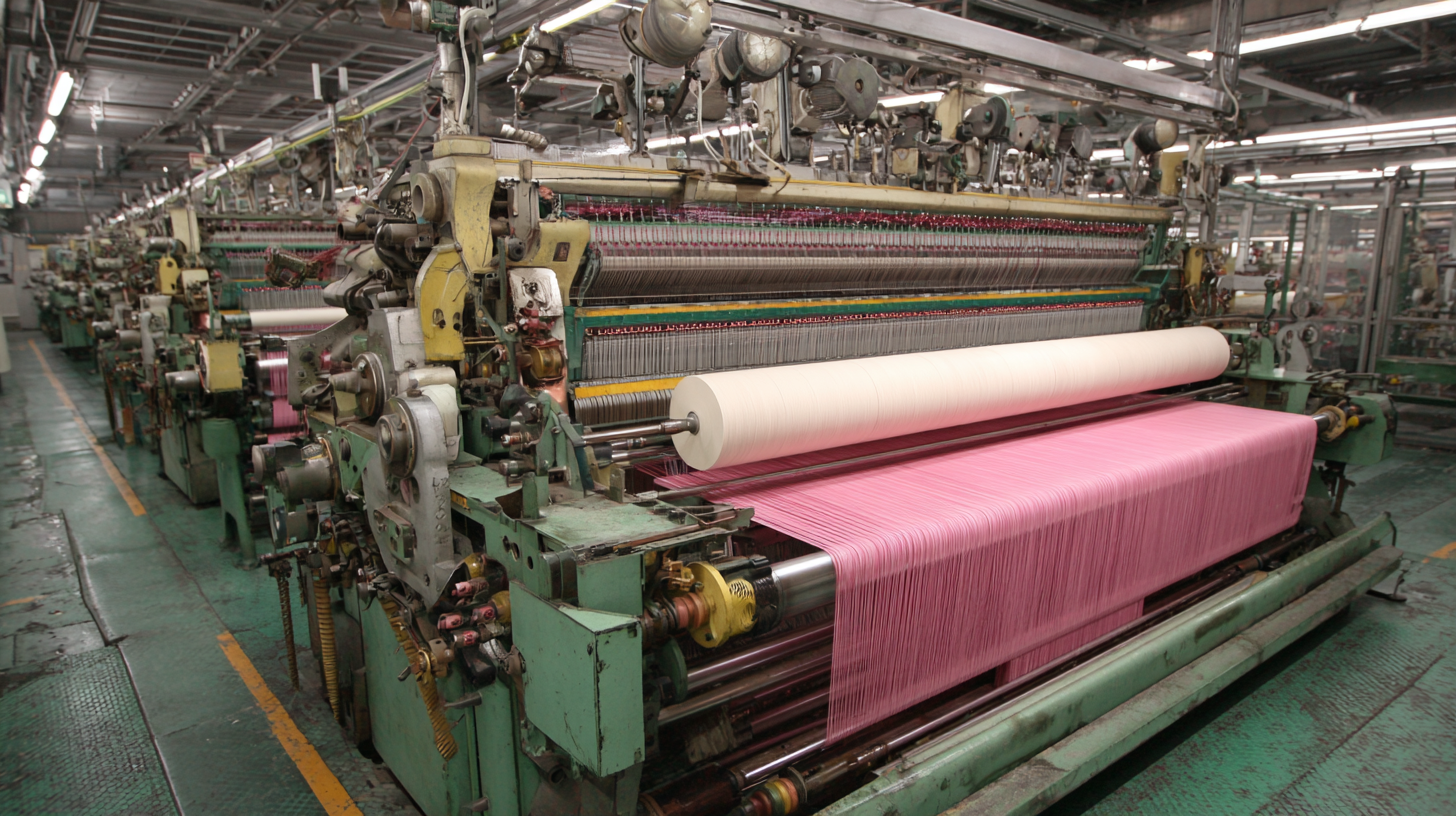
The advances in textile making machinery have enabled manufacturers to meet the growing demand for diverse and high-quality fabrics, fostering a competitive edge in an increasingly globalized economy. As we delve into the historical progression and technological advancements of textile making machines, we uncover the significant impacts they have had on current manufacturing practices and the broader implications for the industry as a whole.
The Historical Milestones in Textile Machine Development and Their Innovations
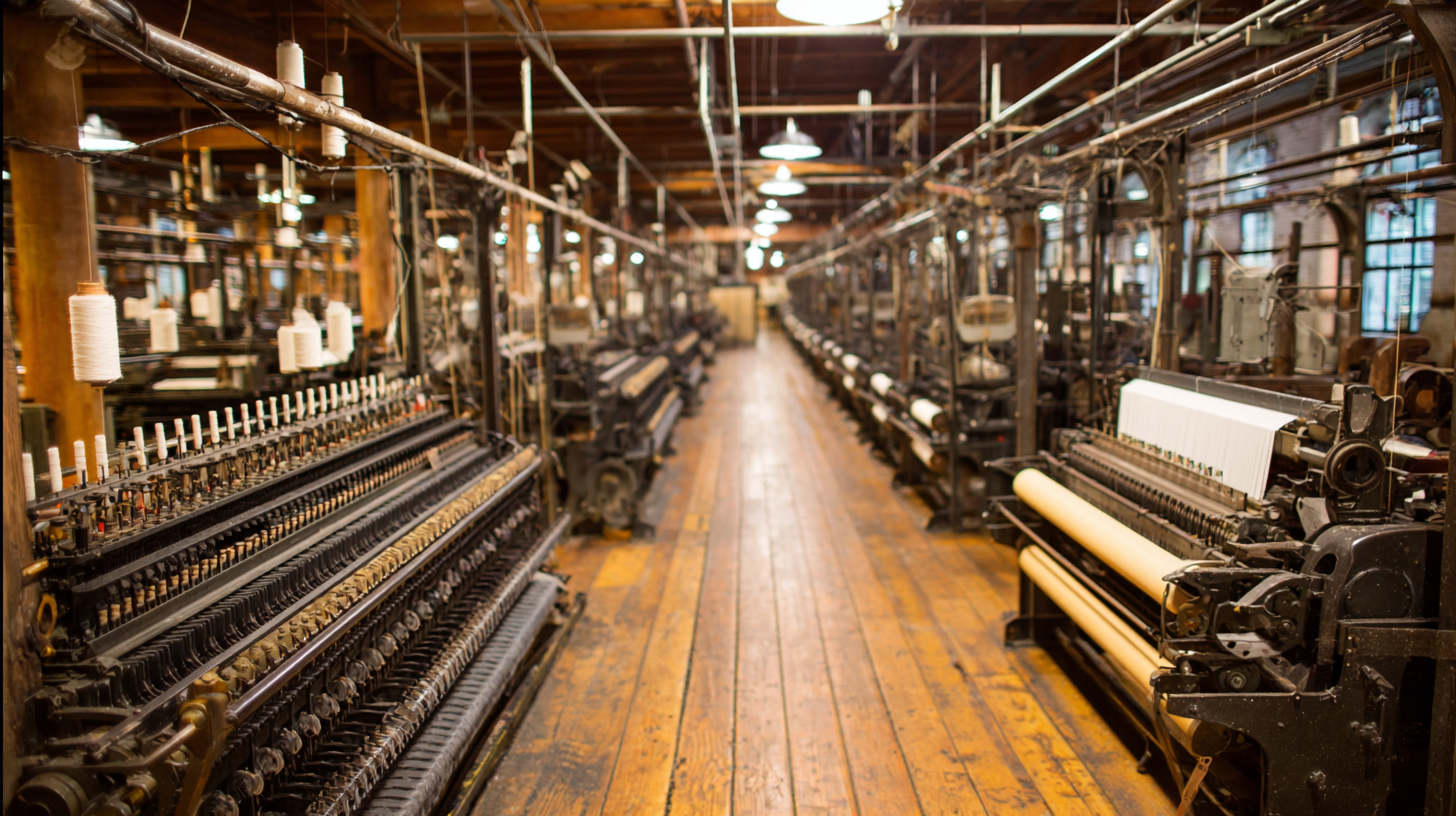
The textile industry has undergone significant transformations since the inception of textile making machines. Early innovations, such as the spinning wheel and the hand loom, laid the groundwork for mass production.
The invention of the Jacquard loom in the early 19th century enabled automatic pattern weaving, revolutionizing the production capabilities and introducing complex designs in fabrics. This marked a pivotal milestone that propelled the industry toward greater efficiency and creativity.
Following the Jacquard loom, the introduction of the power loom and later, the sewing machine, further transformed textile manufacturing. These advancements not only increased output but also improved the quality and consistency of textiles.
The 20th century saw the incorporation of computer technology, leading to the development of computer-controlled systems that allow for precision and versatility in fabric design and production.
Tips: When exploring the evolution of textile machines, consider visiting local museums or factories that showcase historical machines. Engaging with antique machines can provide valuable insights into the craftsmanship of the past.
Additionally, keep an eye on current innovations in textile technology; understanding modern advancements can inspire new ideas in design and production techniques.
Examining the Transition from Manual to Automated Textile Production Methods
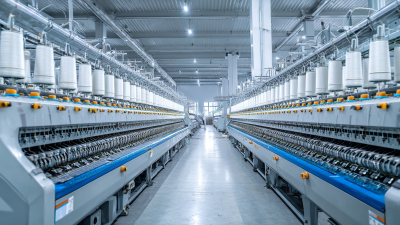
The transition from manual to automated textile production methods has revolutionized the industry, enhancing efficiency, consistency, and scalability. According to a report by MarketsandMarkets, the global textile machinery market is projected to reach $25.8 billion by 2025, driven primarily by advancements in automated technologies. The shift from traditional hand-weaving, which was labor-intensive and time-consuming, to automated looms and knitting machines has significantly increased production rates.
For instance, modern shuttle-less looms can produce fabric at speeds of up to 1,000 meters per minute, compared to just a few hundred meters per hour with manual methods.
This evolution not only reduces labor costs but also minimizes human error, allowing for higher quality and more uniform products. A study by Technavio highlights that the adoption of automation in textile manufacturing can improve operational efficiency by up to 30%. Moreover, automation plays a crucial role in responding to the growing consumer demand for customization and rapid turnaround times. The ability to quickly switch between design styles and colors with computerized machines provides manufacturers with a competitive edge in today’s fast-paced market.
Impact of Textile Machinery on Production Efficiency and Output Rates
The textile machinery industry has undergone significant transformations that profoundly impact production efficiency and output rates. Recent forecasts indicate that the global spinning machinery market will grow from USD 5.89 billion in 2024 to approximately USD 9.78 billion by 2034. This impressive growth underscores the increasing reliance on advanced machinery to improve production capabilities in the textile sector. By adopting modern technologies, companies can achieve faster changeover times and peak efficiency in their garment production lines, making it imperative for manufacturers to invest in upgrading their machinery.
**Tip:** Embracing concepts like the Single Minute Exchange of Die (SMED) can dramatically lower changeover times, thereby enhancing overall productivity.
Moreover, innovations such as high-performance web tension load cells are helping textile manufacturers reduce installation times by up to 50%. As companies seek to eliminate waste and variability in their processes, focusing on strategies to improve efficiency will be crucial for maintaining competitiveness in today’s fast-paced market.
**Tip:** Addressing the three types of waste—muda, mura, and muri—can lead to more streamlined production processes and higher quality products.
The Role of Advanced Technologies in Shaping Modern Textile Manufacturing
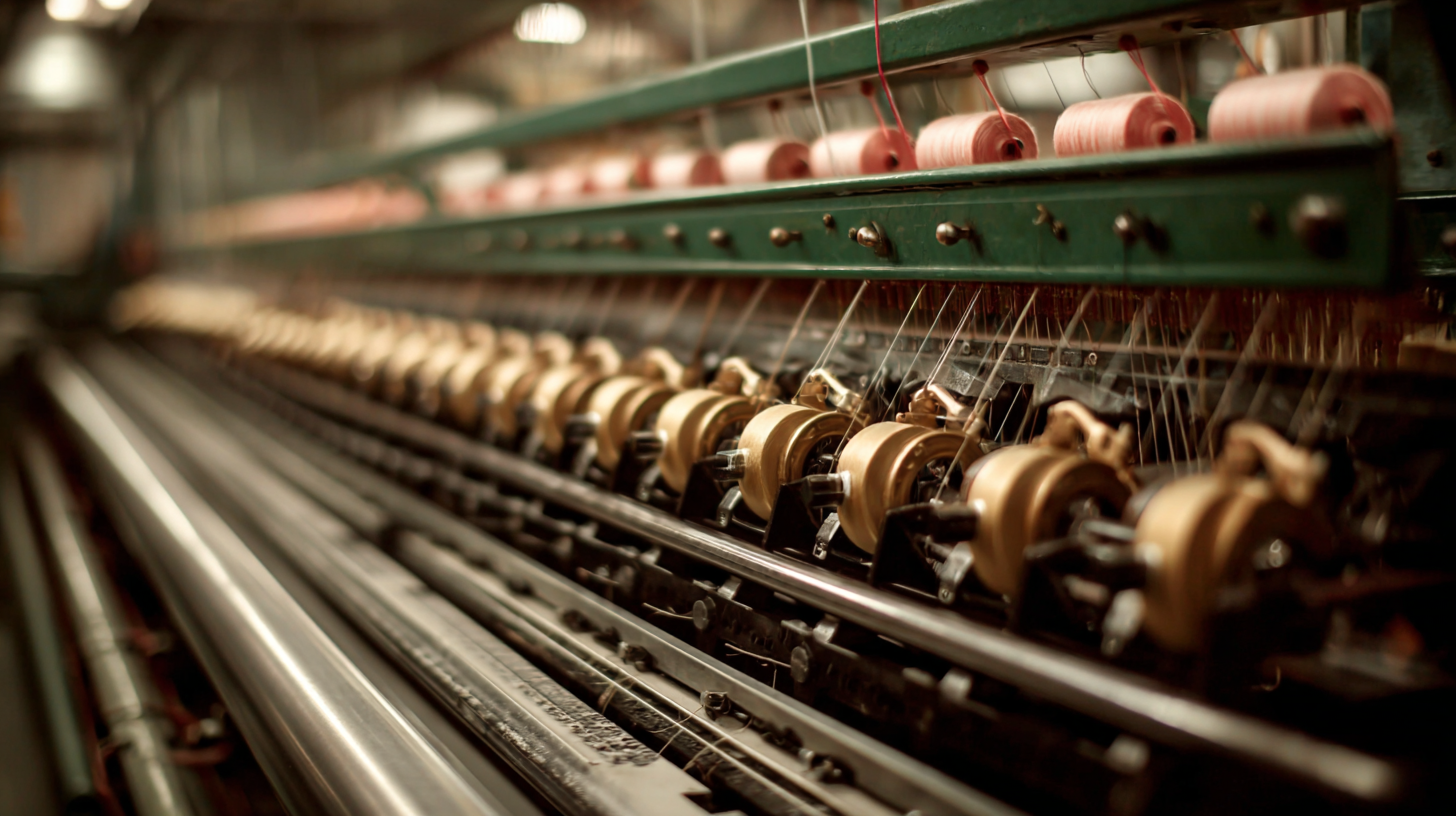
The modern textile industry is undergoing a transformative shift driven by advanced technologies that redefine manufacturing processes, enhance efficiency, and promote sustainability. Recent innovations, such as robotics and digital fabrication, are pivotal in this evolution. For instance, the integration of robotics in textile and garment manufacturing is enabling companies to streamline production while ensuring sustainable workforce practices. This balance is crucial as industry leaders strive to maintain adaptability amidst shifting consumer demands and market dynamics.
Moreover, countries like Bangladesh are leveraging technology transfer to boost their textile sector's competitiveness on a global scale. As reported, the implementation of predictive quality measures through advanced process control is gaining traction, allowing manufacturers to anticipate and address quality issues before they impact production. Simultaneously, the rise of bio-based textiles signifies a significant move towards sustainability, with new materials being developed that offer alternatives to traditional, non-eco-friendly options.
The need for modern spinning machinery in regions like Bangladesh, India, and Pakistan highlights the demand for advanced equipment that combines affordability with efficiency. This trend is critical as these countries represent a significant portion of the global textile output, and embracing technological advancements will be essential for maintaining their competitive edge in an increasingly international market.
Understanding the Evolution of Textile Making Machines and Their Impact on Modern Industry
| Machine Type |
Year Introduced |
Technology Used |
Production Speed (m/min) |
Impact on Industry |
| Power Loom |
1785 |
Mechanical |
50 |
Increased production rates and reduced labor costs |
| Jacquard Loom |
1804 |
Mechanical & Card System |
80 |
Enabled complex patterns and designs in textiles |
| Circular Knitting Machine |
1850 |
Mechanical |
200 |
High-speed production of knitted fabrics |
| Computerized Embroidery Machine |
1980s |
Digital |
120 |
Enhanced design flexibility and precision |
| 3D Knitting Machine |
2010s |
Digital & Additive Manufacturing |
60 |
Revolutionized fabric creation with minimal waste |
Sustainability Trends in Textile Machinery: Reducing Waste and Energy Consumption
The textile industry has witnessed significant advancements in machinery, reflecting a broader trend towards sustainability. According to a report by the Ellen MacArthur Foundation, the fashion industry contributes to 92 million tons of waste annually, highlighting the urgent need for more sustainable practices. Modern textile making machines are increasingly designed to minimize waste and enhance energy efficiency. For instance, innovations such as waterless dyeing technologies and automated fabric cutting systems can reduce material waste by up to 40%, demonstrating a clear shift towards eco-friendly manufacturing processes.
Furthermore, advancements in machine design are enabling manufacturers to reduce energy consumption significantly. A study by the International Energy Agency (IEA) indicates that energy-efficient textile machinery can cut energy use by approximately 30% per unit of production. This trend is gaining traction as companies face rising energy costs and stricter environmental regulations. By adopting sustainable machinery, textile manufacturers are not only contributing to a healthier planet but also improving their operational efficiency, ultimately leading to cost savings and a more resilient business model in the evolving marketplace.