Leave Your Message

High Speed Carding Machine Benefits and Applications Explained?

In the textile industry, the "High Speed Carding Machine" stands as a revolutionary innovation. Experts like Dr. Emily Chen, a leading figure in textile technology, emphasize, "Efficiency in carding can redefine fabric quality." This machine enhances fiber separation and aligns fibers more effectively, leading to superior yarn production.

The benefits are clear. The High Speed Carding Machine significantly reduces processing time while improving output quality. Many manufacturers have witnessed increased productivity and reduced waste. However, transitioning to this advanced technology is not without challenges. Some organizations struggle with the initial investment and training needed for operators.

While the advantages are compelling, it’s essential to reflect on the implementation hurdles. Efficient use of the High Speed Carding Machine requires a shift in operational mindset. Therefore, understanding both the benefits and the necessary adjustments is crucial for sustainable growth in the textile sector.
High Speed Carding Machine Benefits and Applications Explained?

Overview of High Speed Carding Machines

High Speed Carding Machine Benefits and Applications Explained?

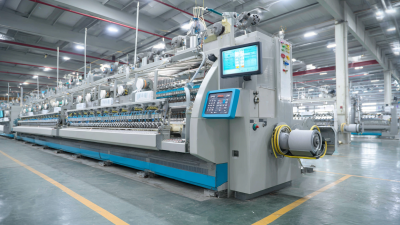
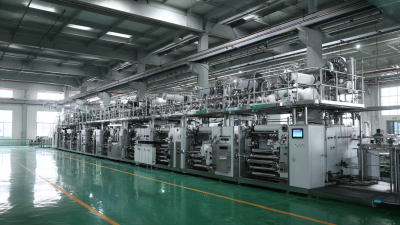
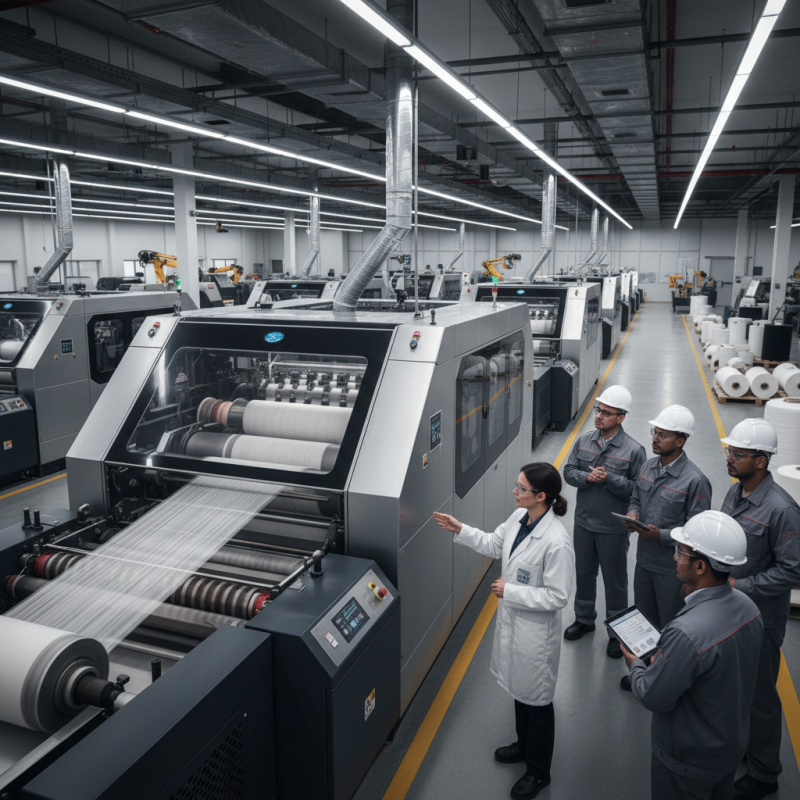
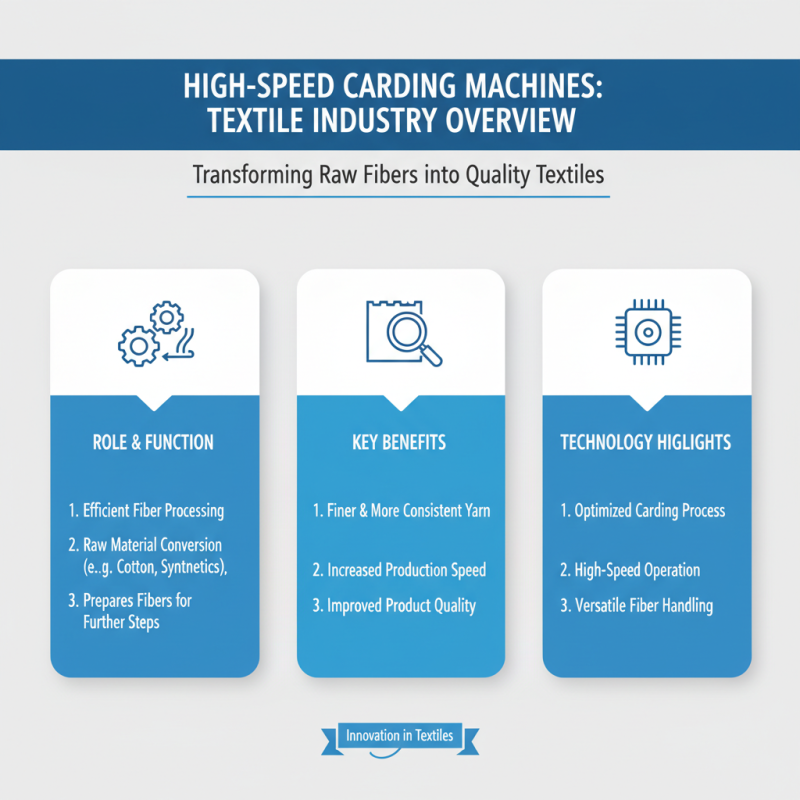
High speed carding machines play a crucial role in the textile industry. These machines efficiently process fibers, transforming raw materials into a usable product. By optimizing the carding process, manufacturers can achieve finer and more consistent results. They are designed to handle a variety of fibers, from cotton to synthetic.

One notable aspect is the speed at which these machines operate. They can produce large quantities of carded fiber in a short period. This efficiency often comes at the cost of quality. Sometimes, speed can lead to uneven carding. This may require additional quality control measures, which can be time-consuming and costly. It raises questions about the balance between speed and quality.

Additionally, high speed carding machines are versatile in their applications. They are used in spinning mills, nonwoven fabric production, and more. Each application comes with unique challenges. Adjustments may be needed based on the specific fibers or desired outcomes. These machines can be complex, requiring skilled operators to manage them effectively. Continuous training is essential for maintaining productivity and quality.
Key Benefits of High Speed Carding Technology

High Speed Carding Machine Benefits and Applications Explained?

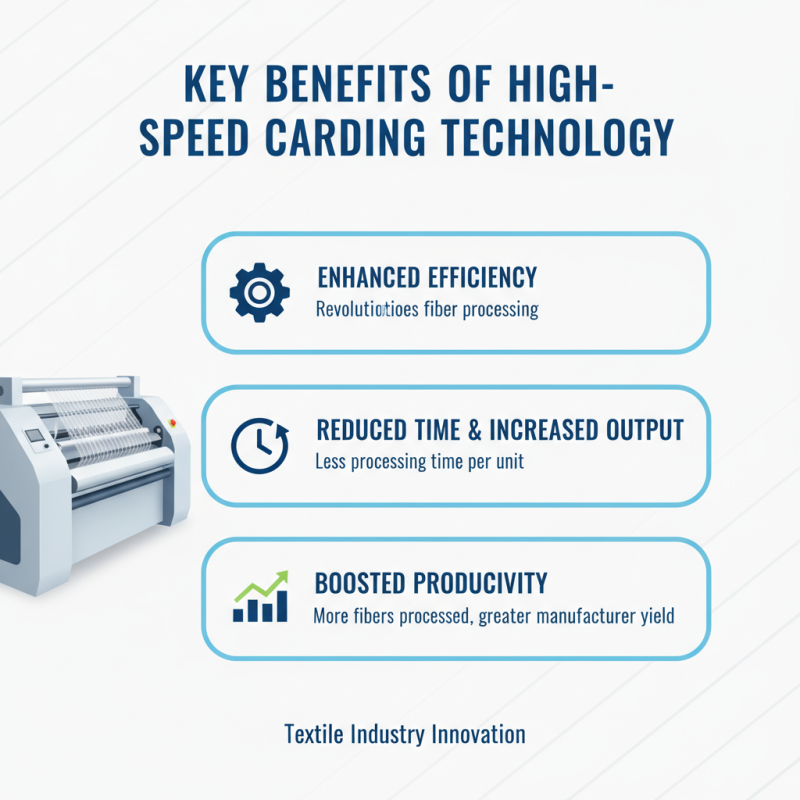
High-speed carding technology revolutionizes the textile industry. This system enhances the efficiency of fiber processing. Operators benefit from reduced processing time and increased output. The carding machine processes a larger quantity of fibers in less time. This boosts productivity significantly, a positive aspect for manufacturers.

One important benefit is the consistency of the output. High-speed carding ensures uniformity in fiber blending. This leads to better quality yarns, essential for textile production. However, maintaining this quality can be tricky. If the settings are not precise, it might lead to defects. There's also the challenge of machine maintenance. Regular checks are necessary to avoid breakdowns that can halt production.

Another aspect is flexibility. High-speed machines can handle various fiber types. This adaptability is crucial in today’s market, where demand shifts rapidly. Yet, operators need training to manage the equipment effectively. Without skilled personnel, the benefits may not be fully realized. Balancing speed and quality remains a constant challenge in high-speed carding technology.

Applications of High Speed Carding Machines in the Textile Industry

High-speed carding machines play a vital role in the textile industry. They effectively separate fibers and prepare them for further processing. This method enhances the quality of yarn significantly. Such machines increase production speed and efficiency, making them essential for large-scale operations. They can process various fibers, from cotton to synthetic materials, adapting to diverse inputs.

In practical applications, high-speed carding machines excel in producing high-quality slivers. Their precise operation reduces fiber damage, contributing to more robust final products. However, not all machines are equally efficient. Some may face issues like uneven feed rates, which can lead to inconsistent quality. The ability to maintain consistent parameters is crucial for optimal performance and product longevity.

Moreover, the maintenance of these machines can be challenging. Regular checks are required to ensure that they operate smoothly. Downtime for repairs can affect overall productivity. Workers must be trained adequately to troubleshoot issues swiftly. Continuous improvement in technology is needed to address these challenges effectively.

Comparison of High Speed Carding Machines with Traditional Carding Equipment

The comparison between high-speed carding machines and traditional equipment highlights notable advancements in efficiency. Traditional carding machines typically operate at lower speeds, often resulting in a longer processing time—up to 20% more than modern counterparts. High-speed machines can handle 500 kg or more of fiber per hour, surpassing older models significantly.

While traditional systems have proven reliable, they come with limitations. For instance, the fiber quality produced can be inconsistent. A recent study indicated that high-speed carding machines maintain fiber uniformity by up to 30% better than their traditional peers. This consistency is essential for industries prioritizing quality, such as textiles and automotives.

However, some challenges persist. High-speed machines may require more upfront investment. Not all facilities are ready for this transition. Maintenance can also be an issue, as these machines demand specialized knowledge. Facilities must weigh these factors against the potential for increased productivity and lower overall costs in the long run. Embracing innovation requires careful consideration but can lead to significant gains.

Future Trends in High Speed Carding Machine Development

The future of high-speed carding machine development presents exciting opportunities for the textile industry. According to recent industry reports, the demand for high-speed carding technology is expected to grow significantly, driven by efficiency and product quality. The latest machines boast speeds up to 500 kg/hour, indicating a substantial increase from previous models. Such advancements enhance output while reducing operational costs.

However, transitioning to these high-speed machines isn't without challenges. Older machinery may require extensive modifications to integrate new technologies, making it a significant investment. Not all manufacturers have the resources to adapt quickly. Moreover, training personnel to use advanced functions effectively can lead to initial slowdowns.

Tips: Ensure your workforce receives proper training on new equipment. This investment will mitigate risks associated with technology adoption. Stay updated on industry trends to maintain a competitive edge. Prioritize machinery that offers maintenance support and has readily available spare parts, which can help reduce downtimes in production.

Benefits of High Speed Carding Machines