High Speed Carding Machine Tips for Efficient Production?
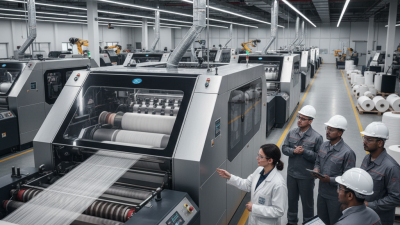
In the fast-paced textile industry, the role of a High Speed Carding Machine is crucial for enhancing production efficiency. According to a recent report by the Textile Machinery Research Council, the latest models can increase output by up to 30%. This impressive figure emphasizes the importance of investing in advanced machinery. Industry expert Dr. Emily Chen states, "The right carding technology can significantly reduce production time and cost."
However, the effectiveness of these machines can vary based on operational practices. Proper maintenance and skilled operators are essential for optimizing performance. A common oversight is neglecting regular upkeep, which can lead to decreased efficiency. Additionally, training staff adequately ensures they can leverage the machine's capabilities fully.
To navigate the complexities of modern textile production, understanding the nuances of a High Speed Carding Machine is vital. Every machine has unique features that require attention to detail. Without a thoughtful approach, manufacturers may find themselves falling short of their production goals. By adopting best practices and embracing innovation, the challenges of high-speed carding can be transformed into rewarding opportunities.
Understanding the Components of High Speed Carding Machines
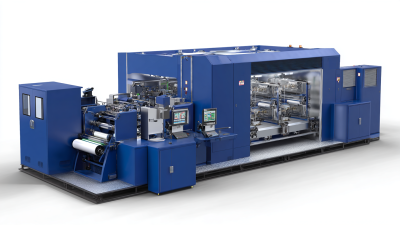
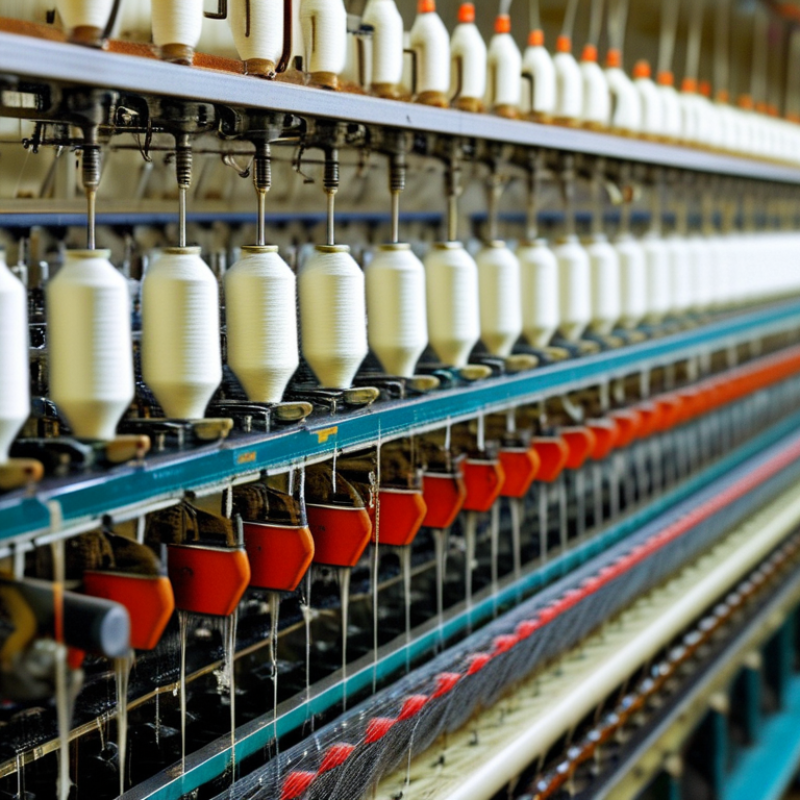
High-speed carding machines are essential in the textile industry, significantly impacting production efficiency. These machines consist of several critical components including the feed system, carding drums, and the stripping mechanism. Each part has a unique purpose that contributes to the overall performance.
The feed system is responsible for introducing raw fibers into the machine. For optimal efficiency, it's crucial to maintain proper tension and alignment. Studies indicate that over 60% of production delays stem from issues in the feeding process. Understanding the exact specifications of fiber input can help minimize such setbacks.
The carding drums play a significant role in fiber separation and orientation. Higher speed machines require precise calibration to prevent fiber damage. Recent data suggests that improperly adjusted drums can reduce output by up to 15%. Moreover, regular maintenance is often overlooked, leading to increased wear and tear. Therefore, investing in data-driven maintenance protocols can improve reliability and output. Keeping these components in check is vital for a smooth production flow.
High Speed Carding Machines Production Efficiency
Key Techniques for Optimizing Production Efficiency in Carding
To optimize production efficiency in carding, it is essential to focus on several key techniques. Regular maintenance of the carding machine is crucial. According to recent data from the Textile Institute, proper maintenance can reduce downtime by 15-20%. This includes timely lubrication, checking belts, and adjusting settings. Neglecting these tasks can lead to breakdowns and inefficiencies.
Another important aspect is the adjustment of carding settings. Precision in settings impacts fiber processing quality. Studies show that a 1% improvement in fiber alignment can increase spinning efficiency by up to 5%. It's advisable to monitor feed rate closely. An inconsistent feed rate can cause fluctuations in output, leading to waste and reduced quality.
Collecting data in real-time can unveil production bottlenecks. Tools for data analysis help identify patterns. However, not all facilities utilize this technology effectively. In fact, more than 60% of textile manufacturers report gaps in data collection practices. Taking steps to bridge this gap can enhance overall output. Engaging employees in this process can strengthen operational insight.
Maintenance Best Practices for High Speed Carding Machines
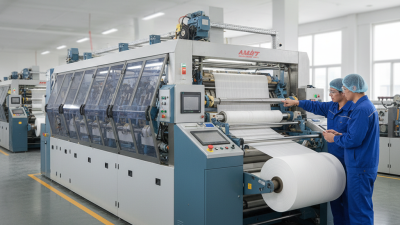
Maintaining high-speed carding machines is crucial for optimal production. Regular maintenance helps prevent breakdowns and ensures efficiency. Operators should begin with daily checks on belts and pulleys. Any misalignment can lead to greater wear and tear. Inspecting lubrication levels is essential. Dry components produce extra friction, slowing down operation.
Understanding the machine's specific needs is vital. Not all high-speed carding machines are the same. Operators may overlook the need for tailored maintenance schedules. Follow manufacturer guidelines, but also adapt based on your work environment. Dust accumulation can be a significant issue. Regularly cleaning the machine minimizes this risk.
Training staff on maintenance practices enhances overall productivity. Sometimes, the importance of consistent upkeep is underestimated. Workers may forget basic tasks or skip them due to time pressures. Implementing checklists can help maintain focus. Encouraging a culture of accountability ensures that maintenance tasks are never neglected. Every small effort contributes to machine longevity.
Troubleshooting Common Issues in Carding Processes
Carding is a critical step in textile production, yet common issues can disrupt the workflow. One frequent problem is fiber entanglement. This can lead to uneven carding and lower quality output. To address this, ensure the fiber feed is consistent and the machine settings are optimized. Frequently check the feed rollers for wear and tear, as damaged components can exacerbate tangles.
Another issue that often arises is inconsistent thickness in carded slivers. Variability can stem from improper adjustments in the machine. Regular calibration of the carding machinery is essential. Operators should also monitor the humidity and temperature in the workspace. Fluctuations in these conditions can impact fiber behavior. Implementing routine maintenance checks can prevent many of these issues.
Dust accumulation is another concern in carding processes. It can affect machine performance and air quality. Clean the machine regularly to ensure optimal operation. Consider using air filtration systems to minimize dust levels in the workspace. Proper cleaning not only enhances performance but also extends the lifespan of the equipment. Operator training is vital to recognize these problems early and take corrective actions effectively.
High Speed Carding Machine Tips for Efficient Production
| Issue |
Description |
Possible Causes |
Solutions |
| Low Production Efficiency |
The machine is not producing at optimal speeds. |
Overworked machine, improper settings, or worn parts. |
Adjust machine settings and perform regular maintenance to replace worn parts. |
| Inconsistent Fiber Quality |
Variations in fiber quality during production. |
Raw material quality, humidity, or machine calibration. |
Ensure consistent raw material supply and calibrate machines accurately. |
| Frequent Machine Downtime |
Increased frequency of machine breakdowns. |
Lack of maintenance, overheating, or mechanical failures. |
Implement a regular maintenance schedule and monitor machine temperatures closely. |
| Excessive Waste Generation |
High levels of waste material during the carding process. |
Incorrect machine settings or quality of raw material. |
Review settings for optimal performance and check raw material quality. |
Innovative Technologies Enhancing Carding Machine Performance
Innovative technologies have reshaped the landscape of carding machines, significantly enhancing performance and efficiency. Recent industry reports indicate that advancements in automation and sensor technology can increase production rates by up to 30%. Automation reduces human error and optimizes operational efficiency. Furthermore, integrating Internet of Things (IoT) devices allows for real-time data monitoring and feedback, leading to better decision-making.
When optimizing carding machine performance, consider these tips. Regular maintenance is crucial. Neglecting components can lead to unexpected downtime. Conduct routine inspections to identify wear and tear. Additionally, calibrating machines to maintain consistent tension improves fiber alignment. Consistent results hinge on how well machines are tuned to handle various fiber types.
Another innovative approach is the use of advanced software algorithms. These algorithms analyze data to predict maintenance needs. By anticipating issues, facilities can avoid disruptions and maintain high output. Implementing such technologies not only boosts performance but also reduces waste. With these advancements, manufacturers can create a more sustainable production environment. However, the challenge lies in ensuring all staff are trained to utilize these new tools effectively. Embracing change is key to staying competitive.