Leave Your Message

Top 10 Automatic Viscose Equipment Suppliers?

The global viscose industry is becoming more automated, measurable, and demanding. Textile Exchange’s Materials Market Report 2024 estimates that global fiber production reached about 124 million tonnes in 2023. Man-made cellulosic fibers, including viscose, represented roughly six percent of that volume. This scale creates pressure for stable spinning, accurate chemical dosing, lower water use, and consistent product quality.

Automatic Viscose Equipment now supports more than production speed. It can connect dissolving, filtration, spinning, washing, drying, and recovery processes through centralized controls. The details matter. Small errors in viscosity, temperature, or filtration pressure can affect yarn strength and cause costly downtime. Suppliers must therefore demonstrate engineering experience, commissioning capability, operator training, and dependable after-sales support.

This guide examines ten notable Automatic Viscose Equipment suppliers through practical criteria. These include installed projects, process integration, automation depth, energy efficiency, safety systems, spare-parts availability, and customer references. Reports from Textile Exchange and the European Man-Made Fibres Association provide useful industry context, but they do not rank equipment manufacturers directly. That limitation matters. Supplier claims still require verification through factory visits, technical documents, and performance records.

Not every claim survives scrutiny.

A supplier may offer advanced controls but lack local service coverage. Another may provide lower initial pricing while creating higher maintenance costs later. Environmental performance also deserves careful review, especially for solvent recovery, chemical handling, wastewater management, and emissions control. The following overview aims to support informed comparison, not to present an absolute ranking. Real project conditions can change the result.
Top 10 Automatic Viscose Equipment Suppliers?

What Is Automatic Viscose Equipment?

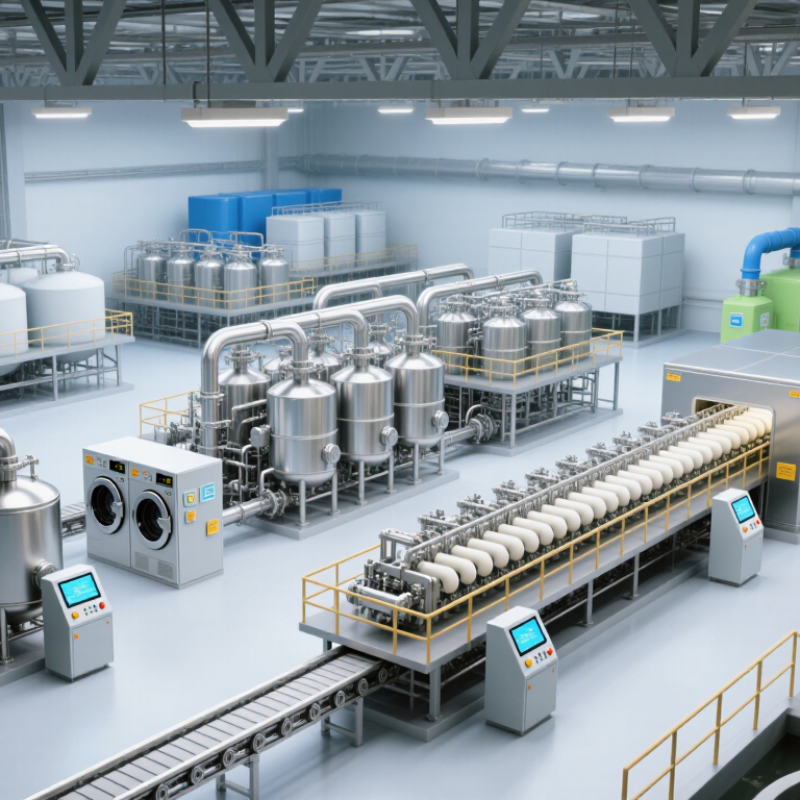
Automatic viscose equipment is a connected production system for making regenerated cellulose fiber with less manual handling. It manages pulp preparation, alkali treatment, aging, xanthation, dissolution, filtration, and spinning. In a typical line, sensors monitor temperature, pressure, viscosity, flow, and chemical concentration. Control software adjusts valves, pumps, mixing speed, and residence time. That consistency matters. Small changes can affect fiber strength, color, moisture, and spinning stability.

A reliable system also uses enclosed vessels, interlocks, exhaust controls, and wastewater monitoring. Safety is central. Not magic. Automation still has weak points. A sensor can drift, a valve can respond slowly, or a clogged filter can distort readings. Operators should check calibration records, alarm histories, maintenance access, and emergency shutdown functions before selecting equipment. Data logging helps trace a batch from pulp loading to finished fiber. Yet data alone cannot explain every defect. Experienced technicians still inspect filters, listen for abnormal pump noise, and compare laboratory results with production settings. Energy use, cleaning time, spare-part availability, and worker training also affect real operating costs. A polished specification may hide these practical limits, so buyers should request test evidence under conditions close to their planned production.

Top 10 Automatic Viscose Equipment Suppliers? – What Is Automatic Viscose Equipment?

Automatic viscose equipment uses sensors, programmable controls, pumps, valves, and feedback systems to manage key stages of viscose production. The chart shows representative industrial temperature setpoints commonly controlled across a viscose process line; actual settings vary by fiber type and process design.

Temperature control helps maintain consistent viscosity, reaction speed, coagulation, washing, and fiber quality. When comparing automatic equipment suppliers, buyers typically evaluate control accuracy, dosing consistency, production capacity, data logging, safety systems, and ease of integration.

How Automatic Viscose Production Systems Work

How Automatic Viscose Production Systems Work

Automatic viscose production begins with dissolving purified wood pulp in a controlled chemical sequence. Machines feed pulp sheets into steeping tanks, where sodium hydroxide creates alkali cellulose. Presses remove excess liquid. Shredders then produce a consistent texture for aging. The material reacts with carbon disulfide during xanthation, forming cellulose xanthate. It is dissolved, filtered, and deaerated before spinning. The sequence is physical.

Modern systems connect tanks, pumps, valves, and sensors through a centralized control platform. Operators monitor temperature, viscosity, pressure, and chemical concentration in real time. Spinning units push the solution through tiny holes into an acid bath, creating continuous filaments. Washing removes residual chemicals, while stretching controls strength and softness. Drying, cutting, and baling complete the line.

Scale explains the investment. Textile Exchange’s Materials Market Report 2024 places global fiber production near 124 million tonnes in 2023, with man-made cellulosic fibers representing approximately 7.5 million tonnes. That volume demands repeatable control, not manual guesswork. The European Commission’s textile best-available-techniques guidance also emphasizes emission control, wastewater treatment, and chemical recovery.

Automation improves consistency and reduces direct handling. It does not remove operational risk. Sensors drift, filters clog, and small temperature changes can affect viscosity. In my assessment, calibration deserves more attention than flashy software dashboards. A reliable system records every batch, flags abnormal readings, and supports closed-loop recovery. Experienced technicians still matter. Machines can follow recipes, but they cannot always explain why a filament suddenly breaks.

Key Criteria for Evaluating Viscose Equipment Suppliers

Top 10 Automatic Viscose Equipment Suppliers?

Key Criteria for Evaluating Viscose Equipment Suppliers

Selecting automatic viscose equipment requires more than comparing purchase prices. Textile Exchange’s Materials Market Report 2024 recorded global fiber production at about 124 million tonnes in 2023. This scale increases pressure on stable output, energy efficiency, and responsible chemical management. A capable supplier should provide verified data for spinning speed, fiber uniformity, moisture control, and production yield. Ask for factory acceptance testing records, not attractive brochures.

Safety and environmental performance need equal attention. The EU Best Available Techniques reference documents emphasize controlling emissions, wastewater, and resource consumption in chemical processing. Suppliers should explain solvent recovery, ventilation, filtration, and emergency shutdown systems with measurable limits. Request electricity consumption per tonne, recovery rates, noise levels, and maintenance intervals. Small details matter. A poorly sealed valve can disrupt an entire line.

Experience is visible during commissioning. Visit an operating facility, inspect spare-part storage, and speak with maintenance engineers. Check whether the supplier offers operator training, remote diagnostics, and local technical support. Production trials should use your intended pulp quality and target denier. The Global Fiber Impact Explorer also shows that fiber production carries significant climate and resource impacts, so lifecycle evidence deserves scrutiny. I would not accept “automatic” as proof of reliability. Some suppliers still rely on manual adjustments after installation. That weakness should appear in the contract, with response times, uptime targets, and corrective responsibilities clearly defined.

Top 10 Automatic Viscose Equipment Suppliers

Top 10 Automatic Viscose Equipment Suppliers

The global viscose sector is becoming more automated, but supplier quality varies sharply. Textile Exchange’s 2024 Materials Market Report estimates global man-made cellulosic fiber output at about 7.3 million tonnes in 2023. This scale increases demand for stable spinning, filtration, washing, cutting, and bale-packing systems.

A practical top-ten shortlist should include suppliers with proven process integration, not just attractive machinery catalogs. Look for automatic dosing controls, online viscosity monitoring, closed-loop data collection, and traceable maintenance records. The International Energy Agency reports that industrial motor systems can represent a major share of factory electricity use. Therefore, efficient drives and heat recovery deserve serious attention. Small details matter. A noisy pump may signal future downtime.

Supplier audits should examine factory testing, installation support, spare-part availability, and operator training. Equipment must also support documented chemical handling and workplace safeguards under applicable regulations. ISO 9001 certification can support quality consistency, but certification alone proves little about viscose performance. Ask for production references, verified output data, and failure-response times.

Some evaluations remain imperfect. Published capacity figures often assume ideal feedstock, skilled operators, and uninterrupted utilities. Real plants rarely behave so neatly. I would score suppliers against lifecycle cost, automation depth, safety records, and upgrade flexibility. A cheaper line may become expensive when sensors drift, software cannot communicate, or replacement parts arrive slowly. Independent engineering validation is still worthwhile.

Top 10 Automatic Viscose Equipment Suppliers

Rank Supplier ID Primary Equipment Scope Automation Functions Typical Process Stage Control Architecture Material Compatibility Typical Installation Scale Common Compliance Focus
1 Supplier 01 Integrated viscose preparation line Recipe control, level monitoring, dosing, alarms, data logging Steeping, shredding and xanthation PLC/HMI and SCADA Carbon steel, stainless steel, coated vessels Large-scale mill Process safety and chemical handling
2 Supplier 02 Automatic viscose filtration systems Differential-pressure control, automatic backwashing, filter sequencing Viscose filtration and polishing PLC with pressure transmitters Corrosion-resistant stainless steel Medium to large mill Filtration integrity and worker protection
3 Supplier 03 Automatic dissolving and mixing equipment Agitator speed control, temperature regulation, viscosity monitoring Dissolving and ripening PLC/HMI with batch recipes Stainless steel and lined tanks Pilot to industrial scale Temperature, mixing and batch traceability
4 Supplier 04 Viscose deaeration and vacuum systems Vacuum regulation, foam detection, pump protection Deaeration before spinning PLC with vacuum instrumentation Stainless steel and elastomer seals Medium to large mill Vacuum safety and emissions control
5 Supplier 05 Automated viscose spinning lines Pump synchronization, spinneret control, tension monitoring Wet spinning and filament formation PLC, drives and motion control Stainless steel, ceramic and polymer components Industrial production line Machine guarding and product consistency
6 Supplier 06 Automatic coagulation-bath equipment Chemical dosing, pH monitoring, temperature control, circulation Coagulation and regeneration PLC with analytical sensors Acid-resistant alloys and lined tanks Medium to large mill Chemical exposure and wastewater control
7 Supplier 07 Automated washing and finishing units Flow control, counter-current washing, chemical dosing Washing, desulfurization and bleaching PLC with flow and conductivity sensors Stainless steel and corrosion-resistant piping Industrial production line Water efficiency and effluent treatment
8 Supplier 08 Automatic fiber drying systems Airflow control, moisture measurement, temperature zoning Drying and conditioning PLC with VFD-controlled fans Stainless steel and heat-resistant materials Medium to large mill Energy efficiency and fire protection
9 Supplier 09 Automatic fiber cutting and baling equipment Length control, weighing, compression and packaging Staple-fiber finishing and packing PLC with servo and weighing systems Carbon steel frames and stainless contact parts Medium to large mill Packaging safety and weight accuracy
10 Supplier 10 Viscose process monitoring and retrofit systems Sensor integration, remote diagnostics, OEE reporting, traceability Multi-stage plant modernization SCADA, industrial networking and edge monitoring Compatible with existing process equipment Pilot to large-scale mill Cybersecurity, documentation and operational safety

How to Select the Right Supplier for Your Facility

Selecting among the top 10 automatic viscose equipment suppliers requires more than comparing prices. Your facility may need spinning, dosing, mixing, or material handling systems. Define the exact process before contacting suppliers. Record production volume, material viscosity, temperature range, available floor space, and required automation level. A supplier should explain how its equipment performs under those conditions, not only show polished catalog figures.

Ask for documented test results and a live demonstration using comparable materials. Check control accuracy, cleaning access, emergency protection, and spare-part availability. During site visits, inspect cable routing, machine guards, sensor placement, and operator visibility. These details often reveal engineering quality. Request references from facilities with similar output and operating shifts. Speak with maintenance staff, not only sales representatives. Their comments may expose delays in technical support. I once underestimated wash-down access; the equipment worked well, but routine cleaning took longer than expected.

Tips: Build a written comparison sheet. Include purchase cost, installation, training, energy use, maintenance hours, and expected downtime. Ask who handles commissioning and how quickly remote support responds. Confirm software updates and data ownership in writing. Do not accept vague claims about “full automation.” Require measurable cycle times and accuracy limits. Leave room for future capacity, but avoid paying for features your operators will never use. A cheaper system can become expensive after repeated stoppages. That risk deserves careful questioning.