Leave Your Message

Top 10 Textile Padding Machine Manufacturers Worldwide?

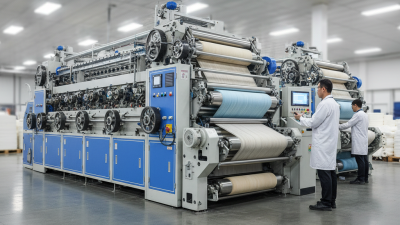
Textile manufacturers are investing in equipment that improves consistency, reduces waste, and supports tighter production controls. The Textile Exchange Materials Market Report 2024 estimates that global fiber production reached 124 million tonnes in 2023. It may approach 160 million tonnes by 2030. That growth increases pressure on dyeing and finishing plants. A reliable Padding Machine Textile system can control wet pickup, fabric tension, squeezing pressure, and drying stability. Small variations can create visible shade differences, uneven coating, or rejected rolls.

This introduction examines ten leading textile padding machine manufacturers worldwide. The comparison considers engineering experience, machine width, automation, energy management, after-sales support, and proven installations. ITMF’s International Textile Machinery Shipment Statistics also shows continuing investment in modern textile machinery, although shipment data does not measure padding performance directly. That limitation matters. Some manufacturers publish detailed specifications, while others provide only broad claims.

Textile-finishing specialist Dr. Seshadri Ramkumar often emphasizes a practical principle: “Sustainability must move from intention to measurable practice.” His message fits padding technology. Lower liquor ratios, accurate dosing, and heat recovery can reduce resource use, but results depend on fabric type and operator discipline. No ranking is perfect. Supplier information can be incomplete. Factory trials remain essential.

The selected companies are therefore not judged by reputation alone. Their equipment must perform beside real production lines, where cotton, polyester, blends, and technical fabrics behave differently. Readers should verify references, test reports, maintenance response, and regional service capacity before purchasing. A polished brochure is not proof. Performance is.
Top 10 Textile Padding Machine Manufacturers Worldwide?

What Is a Textile Padding Machine?

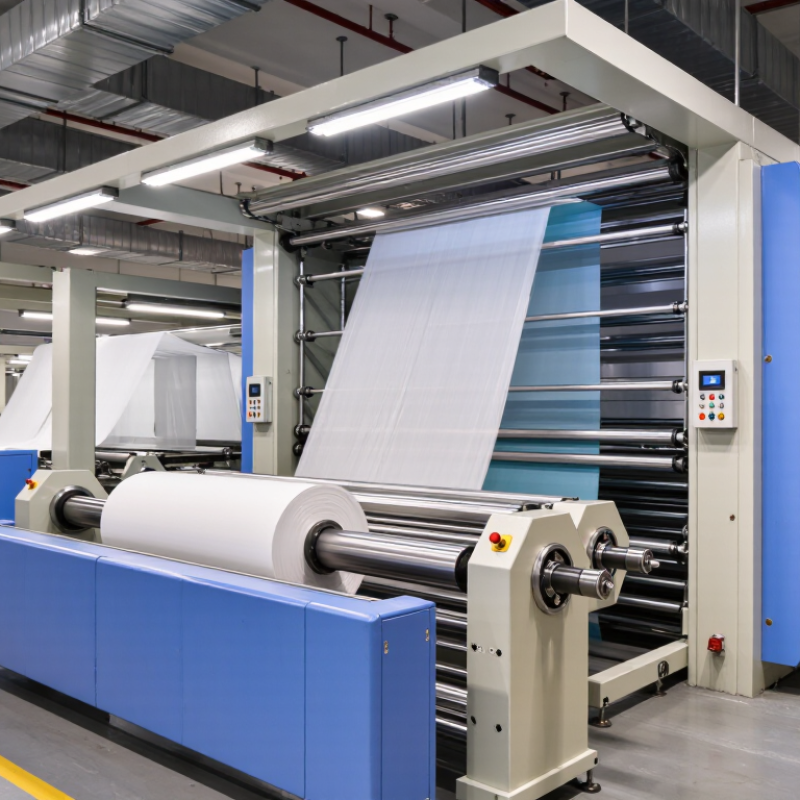
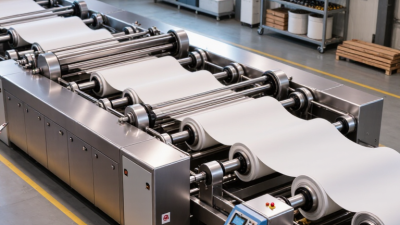
A textile padding machine, often called a padding mangle, applies a controlled liquid treatment to fabric. The fabric passes through a treatment trough and two or more rollers. Pressure squeezes out extra liquid, leaving a more even wet pick-up.

In production, operators use padding machines for pretreatment, dyeing, softening, water repellency, and other finishing processes. Key settings include roller pressure, fabric speed, bath temperature, and liquid concentration. These variables affect shade accuracy, moisture distribution, and fabric handle. A reliable process also checks wet pick-up by weighing fabric samples before and after treatment. Small differences matter. Uneven pressure can create stripes, edge effects, or pale areas.

Tips: Keep the trough clean and remove lint before each run. Check roller alignment regularly. Record speed, pressure, temperature, and chemical concentration. Start with a small trial piece, even when the recipe seems familiar. Operators should also inspect fabric tension, because excessive tension may distort lightweight materials. One practical weakness is that machine readings can appear stable while fabric results change. Recheck the cloth, not only the control panel. Good training, documented testing, and careful maintenance make the equipment safer and more dependable.
How Textile Padding Machines Work

Top 10 Textile Padding Machine Manufacturers Worldwide

How Textile Padding Machines Work

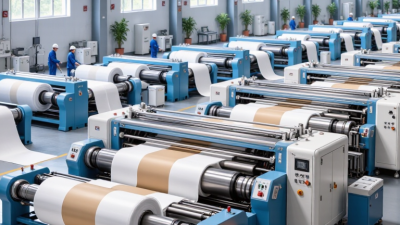
A textile padding machine applies a controlled liquid treatment to fabric. The process begins when fabric passes through a chemical bath called a padding trough. Rollers guide the material evenly through the solution. Then, two pressure rollers squeeze out excess liquid. This step determines the wet pickup percentage.

In practical production, roller pressure, fabric speed, and liquid viscosity must work together. Excessive pressure may create uneven color or fabric distortion. Low pressure can leave too much moisture behind. The treated fabric usually enters a dryer, where controlled heat removes water. Some finishes require a later curing stage to develop their final performance.

Small details matter.

Tips: Check the fabric width before adjustment. Keep the bath level stable during operation. Measure wet pickup from several fabric sections, not just one sample. Clean the rollers regularly, because dried chemicals can create streaks. Operators should record speed, pressure, temperature, and fabric results for repeatable settings. These records also help compare equipment during manufacturer evaluations.

Not every production trial goes perfectly. I have found that a setting suitable for cotton may perform poorly on synthetic fabric. Ambient humidity can also change drying behavior. For reliable results, experienced technicians should test gradually and inspect the fabric by touch, weight, and appearance.

Key Factors for Evaluating Global Manufacturers

A credible Top 10 list should measure manufacturers against textile production realities, not advertising reach. Start with machine capability: working width, fabric speed, pressure control, liquor pickup accuracy, and compatibility with natural and synthetic fibers. Ask for trial data using fabric similar to yours. Small differences in residual moisture can change drying energy and shade consistency. Keep records. Real production evidence matters more than a polished brochure.

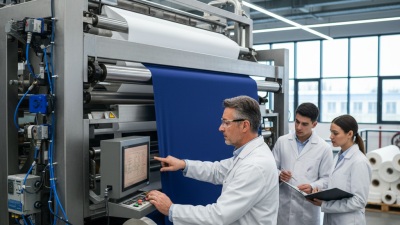
Evaluate engineering depth through frame construction, roller alignment, corrosion resistance, and control-system stability. Request drawings, maintenance intervals, calibration procedures, and documented test results. A reliable supplier explains failure modes, not only headline performance. Examine commissioning support, operator training, spare-part availability, and regional response times. Visit an operating installation when possible. Watch the padder during speed changes. Vibration and uneven pressure often reveal hidden weaknesses. Certification can support trust, but it cannot replace technical verification.

Compare total ownership cost over five to ten years, including utilities, consumables, downtime, upgrades, and technician travel. Ask for references from plants with comparable workloads. Independent inspections add confidence. Still, no scorecard is perfect. Forecasts may miss fabric changes, labor turnover, or unstable utilities. Leave room for these uncertainties. A transparent manufacturer shares assumptions, accepts difficult questions, and offers measurable acceptance criteria. That behavior is often more valuable than the lowest quotation.

Profiles of the Top 10 Textile Padding Machine Manufacturers

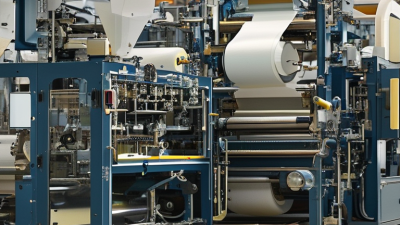
The top ten textile padding machine manufacturers are best assessed through engineering evidence, not promotional rankings. Their profiles typically differ in padder design, automation depth, energy control, and after-sales support. One manufacturer may specialize in compact laboratory systems, while another builds continuous lines for denim, technical fabrics, or home textiles. Some offer precise nip-pressure control. Others focus on high-speed production and easier maintenance.

Industry data gives useful context. Textile Exchange’s Materials Market Report 2024 states that global fiber production reached about 124 million tonnes in 2023 and may approach 160 million tonnes by 2030. More fabric requires more consistent chemical application and lower process waste. ITMF’s International Textile Machinery Shipment Statistics also shows continuing investment in modern textile equipment, although it does not rank padding-machine suppliers directly. That limitation matters.

A practical top-ten profile should examine installed capacity, liquor-ratio control, fabric-width range, drying integration, and documented uptime. Strong manufacturers provide trial testing with real fabric, not only showroom samples. They also explain cleaning routines, roller replacement intervals, and operator training. Look closely at data logging. It can reveal uneven pickup before defects spread across hundreds of meters.

The ranking remains imperfect. Public performance data is uneven. Buyer references may be stronger than polished brochures. A reliable evaluation therefore combines factory experience, independent reports, service records, and measurable fabric results.

Top 10 Textile Padding Machine Manufacturers Worldwide? - Profiles of the Top 10 Textile Padding Machine Manufacturers

Rank Manufacturer Profile Primary Manufacturing Region Core Padding Machine Focus Typical Working Width Typical Line Speed Drying and Heating Options Commonly Processed Materials Typical Technical Features Main Application Markets Common Compliance Areas
1 Manufacturer Profile A Western Europe Continuous padding, dyeing, finishing and coating lines 1,800–3,400 mm 20–80 m/min Hot-air, infrared and steam-assisted systems Woven fabrics, knitted fabrics, technical textiles and blends Automatic nip-pressure control, liquor circulation, edge-guiding and PLC-based recipe management Apparel, home textiles, automotive and industrial textiles CE requirements, machine safety, electrical safety and energy-efficiency documentation
2 Manufacturer Profile B Central Europe High-precision two-roll and three-roll padding units 1,600–3,200 mm 15–70 m/min Hot-air chambers, gas heating and thermal-oil systems Cotton, polyester, viscose, wool and performance blends Servo-driven rollers, programmable squeeze pressure, automatic fabric centering and low-liquor-ratio operation Dyehouses, finishing plants and textile research centers CE marking, ISO-oriented quality systems and occupational-safety controls
3 Manufacturer Profile C Northern Europe Energy-efficient continuous finishing ranges 1,800–3,600 mm 25–90 m/min Heat-recovery hot air, steam and hybrid heating Technical fabrics, nonwovens, coated textiles and synthetic fabrics Heat recovery, moisture monitoring, automated tension control and digital production records Technical textiles, filtration, mobility and protective fabrics CE requirements, environmental-control provisions and industrial automation standards
4 Manufacturer Profile D Southern Europe Compact padding and coating systems for flexible production 1,200–2,800 mm 10–55 m/min Electric hot air, infrared and steam options Fashion fabrics, upholstery fabrics, denim and knitted textiles Quick-change roller assemblies, short threading paths, recipe storage and modular finishing sections Small and medium dyehouses, fashion and interior textiles CE marking, guarding requirements and electrical-control compliance
5 Manufacturer Profile E East Asia Integrated dyeing, padding and tenter-finishing lines 1,600–3,400 mm 20–85 m/min Gas-fired hot air, thermal oil and steam Polyester, nylon, cotton, blended fabrics and microfibers High-throughput production, automatic chemical dosing, tension sensors and centralized line control Garment textiles, sportswear, household textiles and export dyehouses CE or equivalent regional requirements, electrical safety and factory acceptance testing
6 Manufacturer Profile F South Asia Robust padding ranges for cotton and blended textile processing 1,800–3,200 mm 15–65 m/min Steam, gas-fired hot air and electric heating Cotton, viscose, polyester-cotton and home-textile fabrics Heavy-duty frame, adjustable nip loading, accessible maintenance points and retrofit-friendly controls Export-oriented textile mills, home textiles and apparel finishing Local machinery regulations, electrical safety and customer-specific quality audits
7 Manufacturer Profile G East Asia Textile coating, impregnation and functional finishing equipment 1,500–3,600 mm 10–75 m/min Hot-air ovens, infrared preheating and thermal-oil systems Waterproof fabrics, coated textiles, glass fiber and industrial cloth Multi-stage impregnation, precision dosing, solvent-free process compatibility and automatic fault alarms Outdoor textiles, construction materials, filtration and industrial applications Machine safety, electrical safety, emissions control and customer validation protocols
8 Manufacturer Profile H North America Custom padding and finishing systems for technical textiles 1,500–3,000 mm 10–60 m/min Electric, gas-fired and steam-based heating configurations Nonwovens, composites, industrial fabrics and specialty woven materials Custom process integration, inline inspection, data logging and laboratory-to-production scalability Aerospace, filtration, medical, protective and industrial textiles North American electrical requirements, machine guarding and customer-specific validation
9 Manufacturer Profile I Southeast Asia Cost-efficient padding, dyeing and finishing machinery 1,600–3,200 mm 15–70 m/min Steam, gas and electric hot-air systems Polyester, cotton, rayon, blended and knitted fabrics Modular construction, touch-screen operation, automatic fabric alignment and simplified maintenance Apparel, sportswear, bedding and contract textile finishing Regional machinery standards, CE-oriented designs and electrical safety testing
10 Manufacturer Profile J Middle East and Eurasia Heavy-duty padding and finishing lines for large textile mills 1,800–3,600 mm 20–80 m/min Gas-fired hot air, steam and thermal-oil heating Denim, cotton, polyester, workwear and upholstery fabrics Large-batch production, reinforced roller frames, automatic tension control and centralized operator panels Denim, workwear, upholstery and vertically integrated textile production CE-oriented safety design, pressure-system controls and factory commissioning procedures

Note: Working widths and line speeds are representative ranges for comparable industrial textile padding equipment. Actual specifications depend on fabric construction, liquor chemistry, roller arrangement, drying configuration and the selected production line.

How to Select the Right Manufacturer for Your Needs

Top 10 Textile Padding Machine Manufacturers Worldwide: How to Select the Right Manufacturer for Your Needs

Choosing a textile padding machine manufacturer requires more than comparing catalog prices. Textile Exchange’s Materials Market Report 2024 states that global fiber production reached about 124 million tonnes in 2023. It may exceed 160 million tonnes by 2030. This growth increases pressure for stable, efficient finishing equipment. Ask manufacturers for wet-pickup accuracy, roller hardness, line speed, and fabric-width tolerance. Request test results using your actual fabric. A machine that performs well on polyester may behave differently with wool or recycled blends.

Energy use deserves close attention. The European Commission’s Textile Industry Best Available Techniques reference identifies energy, water, and chemical efficiency as important operational concerns. Compare installed power, drying requirements, water circulation, and cleaning time. Demand documented figures, not vague claims. Check whether controls support repeatable pressure and nip settings. Small variations can create visible shade differences across a production roll.

Experience also matters after installation. Review service response times, spare-part availability, operator training, and preventive-maintenance records. Ask for references from facilities with similar fabrics and output volumes. A factory visit can reveal practical details, including noise, access for roller replacement, and cleaning conditions. I would not trust a perfect demonstration alone. It may hide difficult fabrics. Evaluate total cost over five years, including downtime and rejected rolls. Your scoring sheet should include technical evidence, safety documentation, warranty terms, and supplier transparency. Mistakes happen. The right manufacturer helps you detect them early.