Top 10 Padding Machines for Textile Manufacturing Buyers?
In the rapidly evolving textile manufacturing sector, the role of a reliable padding machine is crucial. Research reveals that the global market for padding machines is expected to grow significantly. According to a 2022 market analysis, the growth rate is projected at over 8% annually. For manufacturers, choosing the right padding machine textile is vital for enhancing operational efficiency and product quality.
The complexity of modern textiles demands precision in padding applications. A well-chosen machine improves fabric consistency and reduces wastage. Furthermore, many buyers overlook the long-term operational costs associated with maintenance and energy consumption. Reports indicate that some machines may require frequent servicing, impacting their overall reliability.
Investing in a quality padding machine should align with the specific needs of textile production. Factors such as fabric type, desired finish, and production volume play essential roles. Buyers must critically assess these elements to make informed decisions. Balancing quality with cost remains a challenge in this competitive industry.
Overview of Padding Machines in Textile Manufacturing
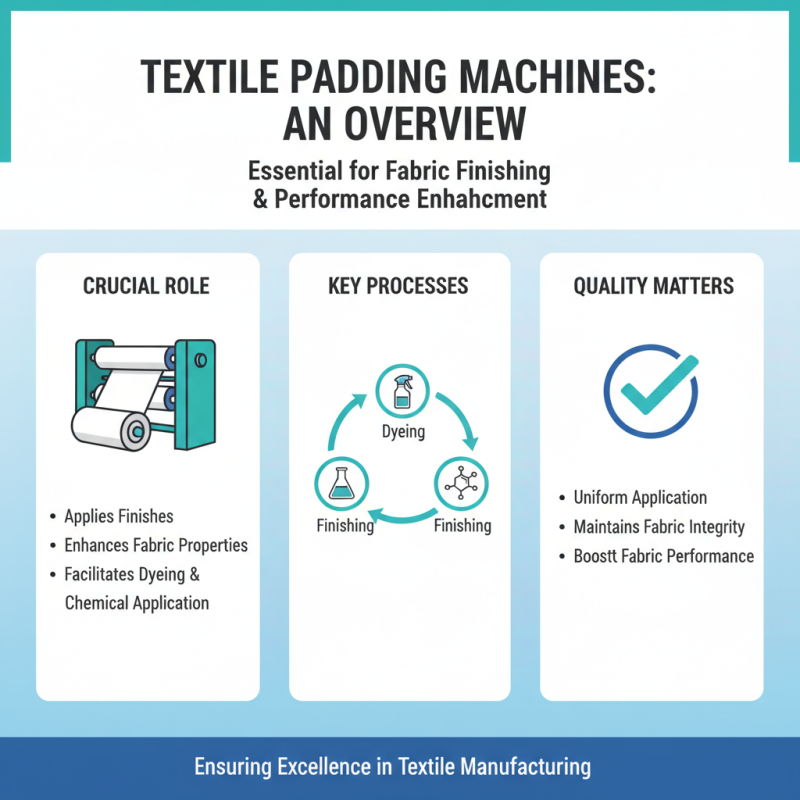
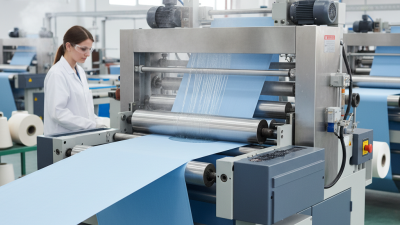
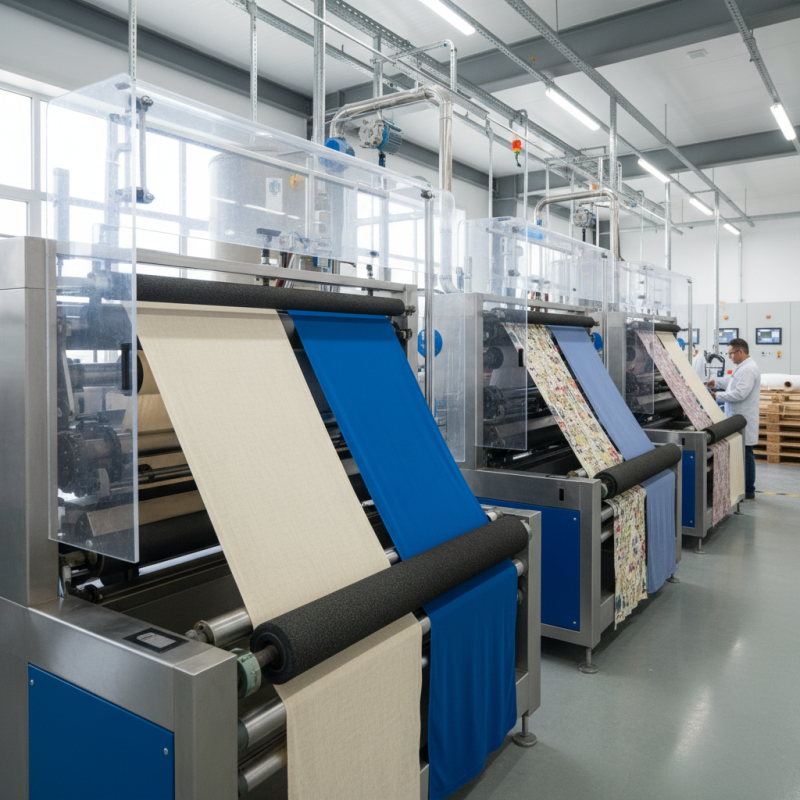
Padding machines play a crucial role in textile manufacturing. They are essential for applying finishes to fabrics and enhancing their performance. These machines help in processes like dyeing, finishing, and chemical application. Quality is key when selecting padding machines. An effective machine ensures uniform application, which is vital for maintaining fabric integrity.
Efficiency and speed are also critical factors. A well-designed padding machine can improve production rates. This saves time and labor costs. However, over-reliance on automation may lead to quality control issues. Operators need training to troubleshoot and adjust settings as required. This balance between technology and human expertise is essential.
Selecting the right padding machine is not straightforward. Each textile type has unique needs, which can complicate the selection process. Understanding the specifications of a machine is vital. Despite advancements, some machines may still struggle with certain fabric types. Continuous improvements and adaptations are necessary to meet evolving textile demands.
Key Features of Effective Padding Machines for Buyers
When it comes to selecting padding machines for textile manufacturing, several key features stand out. Efficiency is crucial. Manufacturers need machines that can handle high volumes while maintaining consistent quality. Speed settings should be adjustable to meet varied production demands. This flexibility allows for quick adaptation to different fabric types and thicknesses.
Another essential feature is ease of maintenance. Machines that require less downtime for repairs or servicing save time and costs. Users should consider models with accessible components for easier routine checks. Additionally, a user-friendly interface simplifies operation, enabling staff to make adjustments without extensive training.
Moreover, a robust safety system is vital. Safety mechanisms protect operators from potential hazards during production. Investing in machines with built-in alarms or automatic shutoffs enhances workplace safety. It's also worth noting that while many options exist, not every machine performs optimally for every application. Buyers often find that careful evaluation and testing are necessary for long-term satisfaction.
Top 10 Recommended Padding Machines for Various Needs
When choosing padding machines for textile manufacturing, understanding your specific needs is crucial. Various padding machines serve different purposes. Some are designed for lightweight fabrics, while others handle heavier materials. Selecting the right machine is essential to ensure efficiency and quality in production.
Consider the size and capacity of the machine. A machine that is too small may not meet production demands. On the other hand, a machine that is larger than necessary can waste resources. Evaluate your production volume to make a better choice.
Tips: Always check for compatibility with your fabric types. Machines should be versatile enough to handle different materials. Keep in mind the maintenance requirements of each machine. Regular upkeep can prevent costly breakdowns and ensure longevity.
It's also beneficial to explore features such as speed and precision. High-speed options might boost productivity, but can also compromise quality. Balancing speed with accuracy is essential for consistent results. Evaluate feedback from other users too; their insights can highlight potential drawbacks and advantages.
Comparative Analysis of Padding Machine Brands and Models
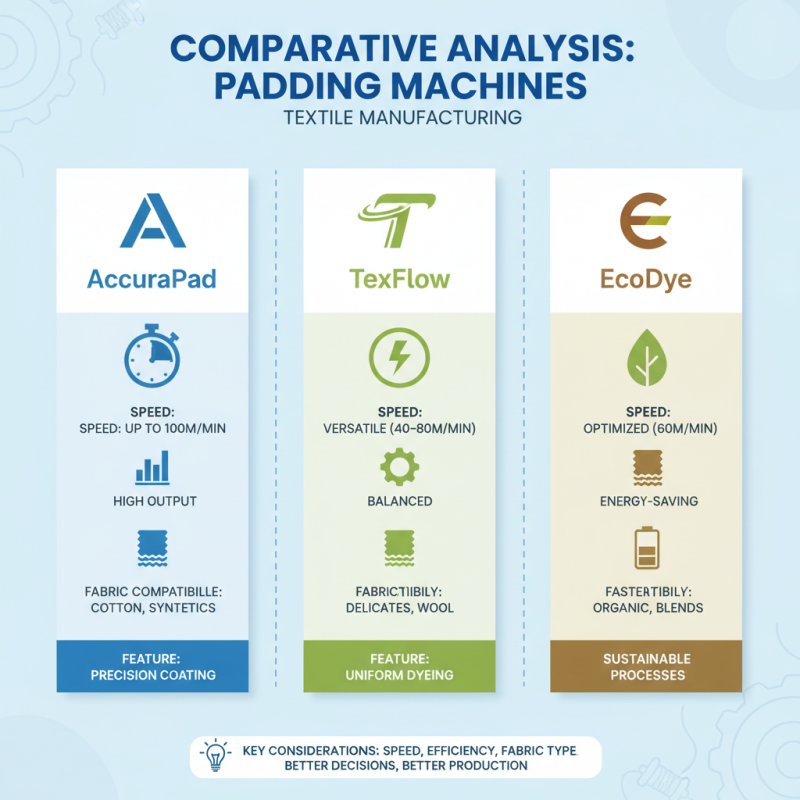
When selecting padding machines for textile manufacturing, it's essential to evaluate various brands and models. Each machine has unique features catering to specific production needs. Key considerations include speed, efficiency, and fabric compatibility. Knowing the differences among brands can lead to better purchasing decisions.
Tips: Always consult user reviews and performance data before making a final choice. This can provide insights you might not find in product specifications. Some machines, while advertised as efficient, might require more maintenance, leading to downtime.
A comparative analysis of models reveals that some padding machines excel in versatility. They work well with diverse fabrics, making them suitable for different textiles. However, these models may come with a higher price tag. Consider your budget and production demands carefully. Imperfect options exist too. A model could be robust but lack certain features, necessitating additional investments. Balancing initial cost versus long-term benefits is crucial.
Factors to Consider When Purchasing a Padding Machine
When selecting a padding machine for textile manufacturing, several factors come into play. One major consideration is the machine's capacity and speed. Buyers must assess their production needs. A machine that runs too slow can cause bottlenecks. On the flip side, a high-capacity machine may be unnecessary for smaller operations. Finding that balance is crucial.
Another important factor is the machine's versatility. It should handle different fabric types without compromising quality. Not all padding machines are created equal. Some may excel with certain materials but falter with others. Buyers should explore the range of fabrics the machines can process. Flexibility can save costs in the long run.
Energy efficiency is also a key aspect. Machines consume significant power, impacting operational costs. Investing in energy-efficient models can be beneficial. However, upfront costs may be higher. It's essential to evaluate the long-term savings against initial investments. Each buyer's situation is unique, making this decision complex.
Top 10 Padding Machines for Textile Manufacturing
This chart displays the performance ratings of the top 10 padding machines based on user feedback and technical specifications. The ratings are on a scale from 1 to 10, with higher values indicating better performance in textile manufacturing applications.