Top 5 Ring Spinning Machine Brands for Global Buyers?
The textile industry relies heavily on advanced machinery, with the Ring Spinning Machine being a crucial component. According to a recent report by MarketWatch, the global market for ring spinning machines is expected to grow significantly, driven by the increasing demand for quality yarn. Industry expert Dr. Emily Carter states, “Choosing the right ring spinning machine can directly impact production efficiency and product quality.”
In an ever-evolving market, global buyers seek reliable brands that provide both innovation and durability. The range of options available often complicates decision-making. However, investing in top-tier ring spinning machines ensures not only higher output but also reduces maintenance costs over time. Notably, buyers must consider the specific needs of their production lines and how these machines can enhance their operational workflow.
Despite the availability of numerous brands, not all can guarantee the level of performance expected by buyers. Understanding the nuances of each brand and model can be overwhelming. It is crucial to research and assess the pros and cons of each option. By focusing on quality and innovation, buyers can navigate this complex landscape effectively.
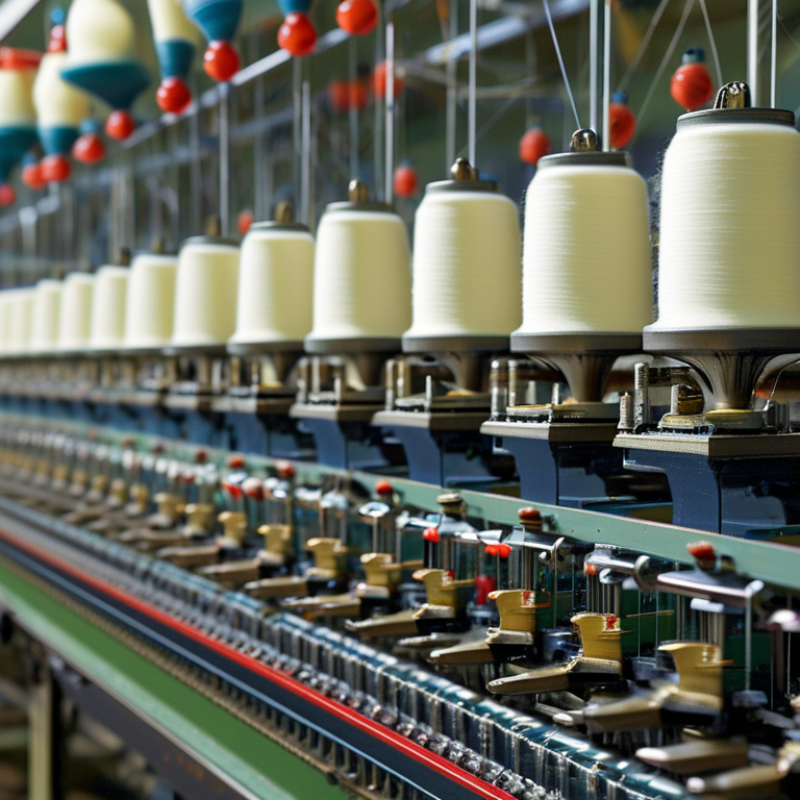
Overview of Ring Spinning Machines in the Textile Industry
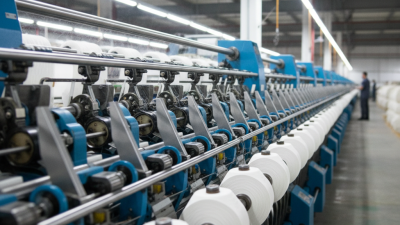
Ring spinning is a crucial process in the textile industry. It transforms raw fibers into yarn, which is essential for fabric production. The technology of ring spinning has evolved significantly over the years. Today, advanced machines provide improved efficiency and consistency in the manufacturing process.
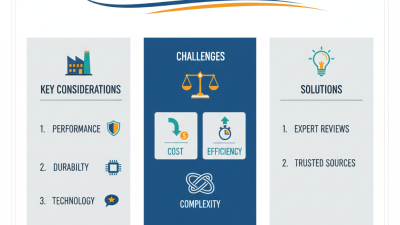
When considering ring spinning machines, it's vital to focus on performance and reliability. Machines are designed to handle various types of fibers, ensuring versatility. However, not all machines perform equally well across different materials. Users often face challenges finding the right settings for different fibers, which can impact productivity.
Additionally, maintenance is a key factor in the lifespan of ring spinning machines. Regular servicing can prevent malfunctions and ensure smooth operation. Buyers should also consider the support and training provided by manufacturers. Knowledgeable staff can help overcome operational hurdles. The textile industry continues to seek innovations that enhance productivity and reduce waste, making the choice of machine even more critical.
Top 5 Ring Spinning Machine Brands for Global Buyers
| Brand |
Country of Origin |
Machine Model |
Production Capacity (Spindles) |
Key Features |
| Brand A |
Germany |
Model A1 |
30000 |
High efficiency, low energy consumption |
| Brand B |
India |
Model B1 |
25000 |
Compact design, user-friendly interface |
| Brand C |
Japan |
Model C1 |
40000 |
High automation, precision control |
| Brand D |
China |
Model D1 |
20000 |
Cost-effective, easy maintenance |
| Brand E |
Italy |
Model E1 |
35000 |
Energy efficient, sustainable materials |
Criteria for Selecting Reliable Ring Spinning Machine Brands
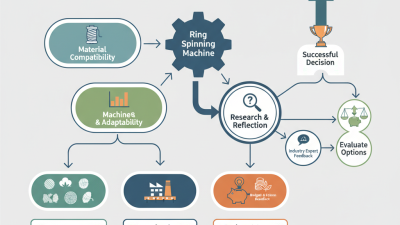
When selecting reliable ring spinning machine brands, buyers must evaluate several key factors. Technical specifications are crucial. Machines should meet precise production requirements. Look for features like automation levels, energy efficiency, and ease of maintenance. High-quality materials in construction also indicate durability. Buyers should seek brands known for rigorous testing and certification processes.
Customer support enhances brand reliability. Effective communication with manufacturers can prevent future issues. Timely access to spare parts is essential for minimizing downtime. Also, examine online reviews and case studies. They reveal real-world performance and user experiences. Transparent information about warranty and service agreements builds trust.
Consider the company's reputation in the industry. Longevity often reflects reliability, but newer brands can offer innovative solutions. Engage in discussions with other textile manufacturers for insights. They may share useful experiences. This exchange might reveal industry trends or emerging technologies. Reflecting on feedback from peers can guide informed decisions.
Top 5 Ring Spinning Machine Brands: An In-Depth Comparison
When selecting a ring spinning machine, global buyers must consider various factors. Key metrics include speed, energy efficiency, and ease of maintenance. Data shows that modern machines can reach speeds of up to 25,000 RPM. This advancement improves productivity but also raises concerns about energy consumption.
Many manufacturers prioritize sustainability. In a recent industry report, about 58% of operators noted energy savings in newer models. Compatibility with different fiber types is also crucial. Mixing and blending capabilities can affect yarn quality. Operators must assess whether machines can handle diverse materials effectively.
**Tip:** When comparing brands, request performance data from existing customers. This feedback can provide insights into long-term reliability.
The evolving landscape of ring spinning requires adaptability. Companies that fail to innovate may fall behind. It's important for buyers to remain informed about technological advancements. Not all brands perform equally under various conditions.
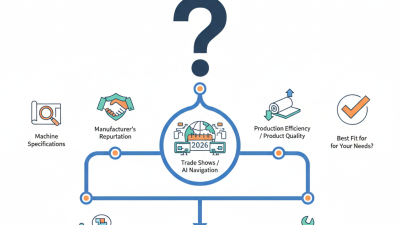
**Tip:** Consider visiting trade shows. Live demonstrations can reveal practical performance details that specifications may overlook.
Innovative Features of Leading Ring Spinning Machine Brands
When exploring the leading ring spinning machine brands, innovative features stand out. Enhanced energy efficiency is crucial for modern textile production. Machines with integrated smart technology can monitor performance in real-time. This minimizes downtime and reduces production costs.
Adapting to user needs is another focus. Some brands offer customizable settings for different types of fibers. This flexibility allows manufacturers to fine-tune their processes. It can lead to better quality control, ensuring consistent yarn quality. Brands that emphasize user-friendly interfaces are also gaining popularity. Operators can quickly learn and operate them, reducing the training time.
Tips: Always consider the maintenance and service options when choosing a brand. Look for machines that have accessible spare parts. Additionally, check for support networks in your region. This can save time and costs in the long run. Performance metrics can often reveal potential areas for improvement. Regularly evaluating these metrics can help keep your operations running efficiently.
Customer Feedback and Industry Impact of Top Ring Spinning Brands
In the competitive world of ring spinning machines, customer feedback plays a pivotal role. Many users highlight the importance of efficiency and durability in their machines. According to a 2022 market report, nearly 40% of customers reported improved production rates after switching to advanced ring spinning technology. This data emphasizes the machines' ability to meet rising demands.
Additionally, industry experts indicate that adaptability is crucial in today’s market. While some machines boast cutting-edge features, they may lack the versatility needed for various applications. Around 25% of manufacturers expressed concerns about machines being too specialized. This suggests a need for more adaptable solutions that can cater to different textile needs without compromising on quality.
User experiences reveal a stark division in satisfaction levels. For instance, some report remarkable after-sales support, while others find it lacking. This inconsistency can lead to doubts about machine longevity and overall reliability. The challenge remains for manufacturers to solidify their reputation by addressing these concerns effectively.
Performance Comparison of Top Ring Spinning Machine Brands