Top 10 Water Jet Machines for Textile Industry Buyers?
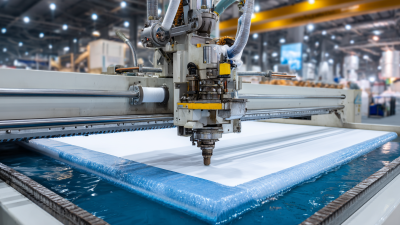
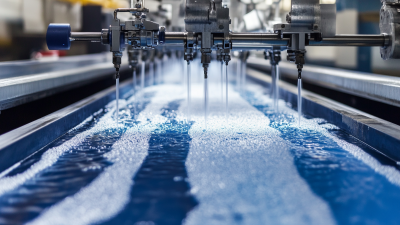
The textile industry faces constant demand for innovation and efficiency. Among various technologies, the Water Jet Machine Textile stands out for its precision and versatility. These machines utilize high-pressure water jets to cut materials seamlessly, ensuring clean edges and intricate designs. This efficiency reduces waste and enhances production rates.
Selecting the right water jet machine can be daunting. Buyers must consider factors like the machine’s capabilities, maintenance, and the type of textiles processed. Understanding these elements is crucial for making informed decisions. Expertise in this area can save time and costs in the long run.
Quality and reliability are key when investing in a water jet machine. The top machines offer consistent performance and durability. However, it is not just about choosing the best-rated model. Some buyers find that after-sales support and training are equally important. Reflecting on these aspects can lead to better investments in the long-term sustainability of textile operations.
Understanding Water Jet Machines in the Textile Industry
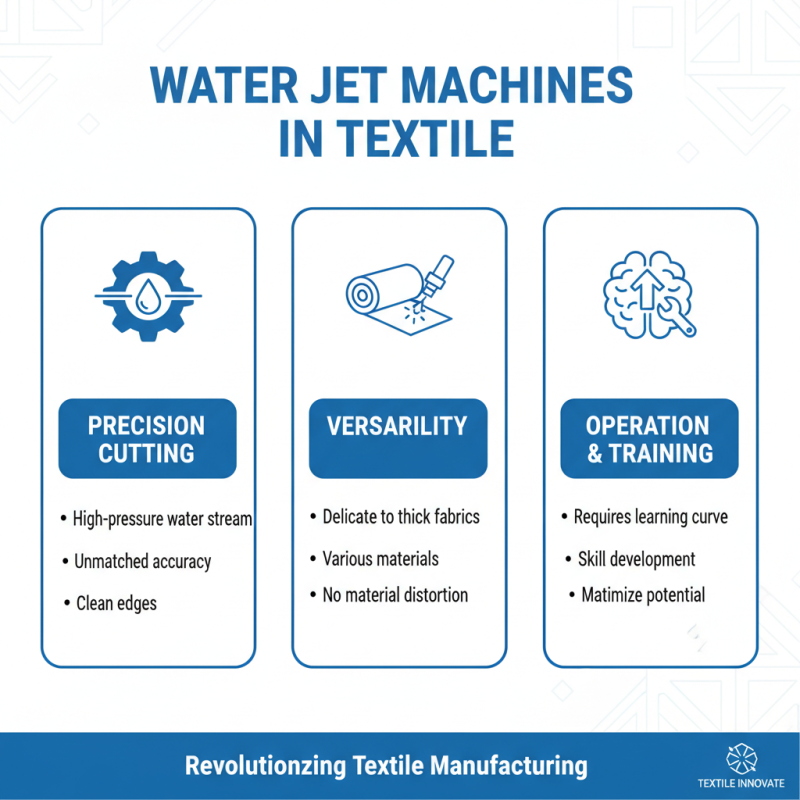
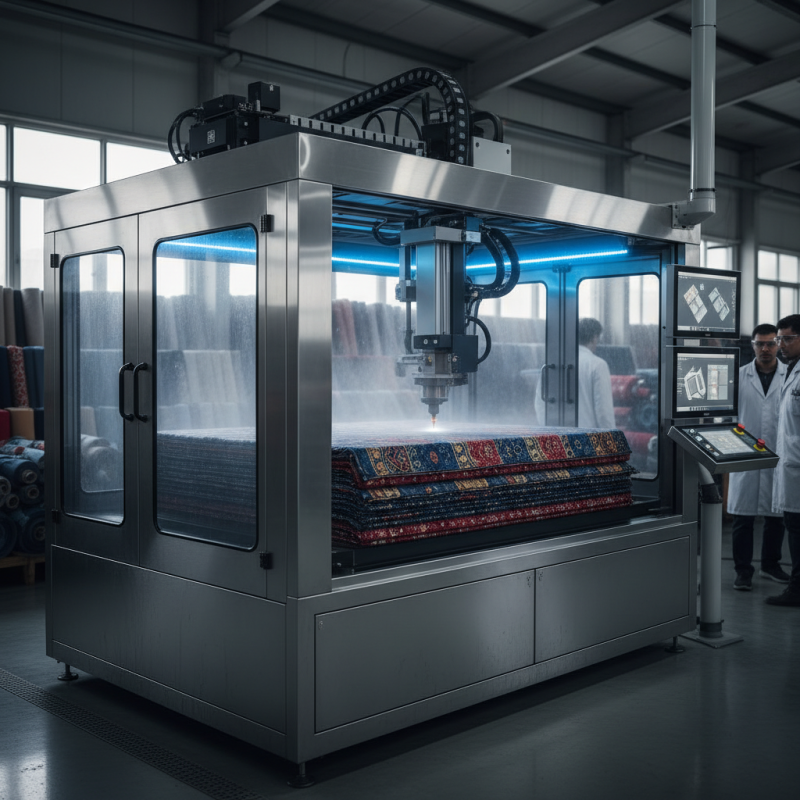
Water jet machines have revolutionized the textile industry. They use high-pressure water streams for cutting fabrics. This technology offers precision unmatched by traditional methods. The versatility of water jets means they can handle various materials, including delicate textiles and thick fabrics. However, these machines may require a learning curve. Proper training is essential to maximize their potential.
In addition to cutting, water jet technology can engrave and etch designs onto fabrics. This adds value to products, allowing for customization. Yet, the initial cost of these machines can be significant. Businesses must weigh the investment against potential returns. Regular maintenance is also critical. Without proper care, performance could decline.
Understanding the specifics of water jet machines is vital for textile industry buyers. They should consider factors like water pressure, pump types, and nozzle design. Each component influences the cutting quality and efficiency. The learning curve means that staff training is necessary. Knowledgeable operators can unleash the full potential of this technology. Thus, careful planning and investment are key for successful integration.
Key Features to Consider When Choosing Water Jet Machines
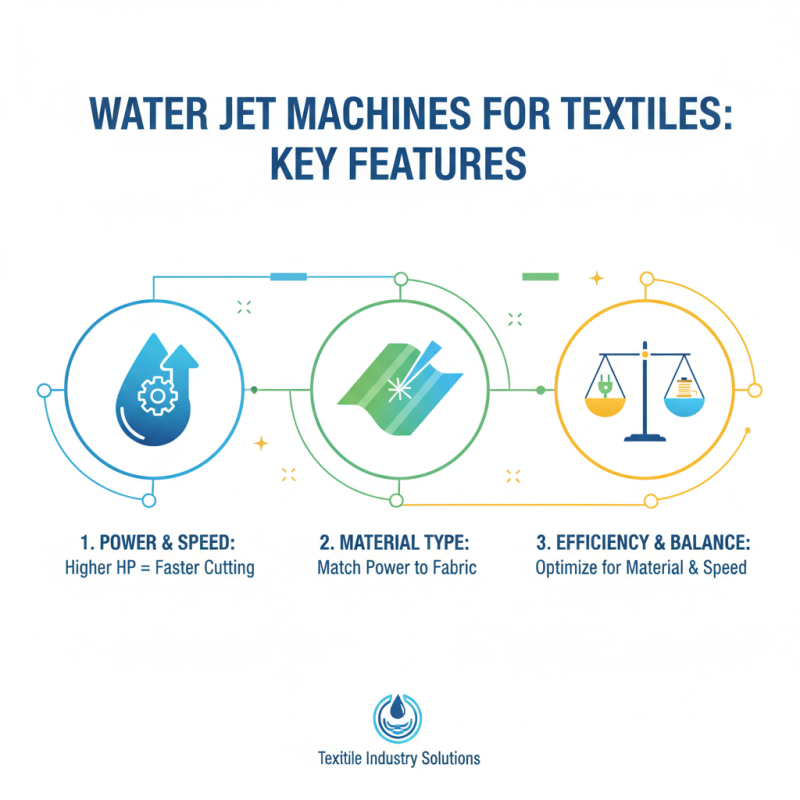
When selecting a water jet machine for the textile industry, understanding key features is crucial. The power of the machine affects cutting speed and efficiency. A higher horsepower typically leads to quicker job completion. However, it's essential to balance power with the type of materials used. Not all textiles require the same cutting intensity.
Another vital factor is the precision of the machine. A good water jet machine should deliver accurate cuts without fraying edges. Precision can make a significant difference in maintaining the quality of delicate fabrics. Users may sometimes overlook the importance of water quality, which is critical. Impurities in water can affect performance, leading to inconsistent results.
Additionally, the machine's maintenance requirements should be considered. Regular upkeep ensures longevity and reliability. Assess the ease of accessing parts for replacements or repairs. Ignoring maintenance can lead to unexpected downtime, which is a setback for productivity. It’s beneficial to evaluate these factors carefully to make an informed choice for your textile cutting needs.
Top 10 Recommended Water Jet Machines for Textile Applications
Water jet cutting machines have transformed the textile industry. These machines use high-pressure water streams to cut fabric with precision and minimal waste. Their capability to handle diverse materials makes them invaluable for textile applications. However, not all machines are created equal.
When selecting a water jet machine, buyers need to consider various factors. Speed and accuracy are paramount. Cutting speed can affect productivity, while precision determines the quality of the final product. Additionally, the size of the cutting bed can limit material types. Buyers often feel overwhelmed by the technical specifications, which can lead to poor purchases.
With the right choice, these machines can significantly enhance operational efficiency. They reduce fabric waste, allowing for better cost management. It’s essential to look for reliability and support from manufacturers, as this can affect long-term performance. Each buyer's experience may vary, highlighting the need for personalized research before a decision. Investing time in understanding specific needs can lead to better outcomes.
Comparative Analysis of Performance and Efficiency
When assessing water jet machines for the textile industry, performance and efficiency are crucial metrics. These machines utilize high-pressure water for cutting, offering versatility in fabric types. The effectiveness of these machines determines production rates and the quality of final products.
Various models present different strengths. For instance, some excel in speed, while others prioritize precision. The right machine can enhance productivity significantly. Buyers should focus on energy consumption, as efficient models reduce operational costs. A machine that conserves water also aligns with sustainability efforts.
Tip: Prioritize machines with clear specifications. Look for energy ratings and cutting speeds.
Performance analysis should include maintenance requirements. Machines with easily accessible components are easier to maintain. A well-maintained machine continues to perform at peak efficiency. Regular upkeep ensures longevity and reliability.
Tip: Consider total cost of ownership. Analyze both purchase price and long-term maintenance costs for a comprehensive view.
Balancing performance with cost is a challenge. While high-performing machines may require larger investments, they can lead to greater profits in the long run. Reflect on your production needs before making a decision.
Maintenance Tips for Water Jet Machines in Textiles
Maintaining water jet machines is crucial for the textile industry. Regular maintenance ensures optimal performance. Simple tasks, like cleaning filters, can prevent major issues. Check for clogs frequently to avoid downtime.
Inspecting the water delivery system is essential. Look for leaks or worn-out hoses. Even small leaks can lead to larger problems over time. Lubricate moving parts to reduce friction and wear. This step is often overlooked, but it significantly impacts machine longevity.
Operators should be trained to spot unusual sounds. Strange noises can indicate underlying issues. Regularly scheduled check-ups can catch problems before they escalate. Keep a maintenance log to track actions taken. This log provides valuable insights for future servicing. Always stay proactive to ensure the machine’s reliability and efficiency.
Top 10 Water Jet Machines for Textile Industry Buyers