How to Choose the Best Water Jet Machine for Textiles?
Choosing the right equipment is crucial in the textile industry. A Water Jet Machine Textile can transform your production process, providing precision and efficiency. However, not all machines are created equal. Different models have varying features, strengths, and weaknesses. Understanding these aspects is key to making an informed decision.
When selecting a water jet machine, consider your textile materials. Fabrics vary widely in thickness, texture, and composition. The right machine should accommodate your specific needs. It’s also important to evaluate the machine’s water pressure and speed settings. These factors directly impact cutting precision and operational efficiency.
Investing in a water jet machine is a significant commitment. It requires careful consideration of your long-term goals. Sometimes, you may find a machine that looks perfect on paper, yet it might not meet your practical needs. Real-world testing is advisable to avoid potential setbacks. Thus, researching and reflecting on your options is paramount.
Understanding Water Jet Machines and Their Functionality
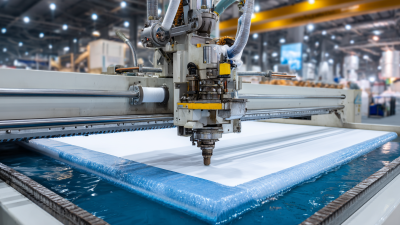
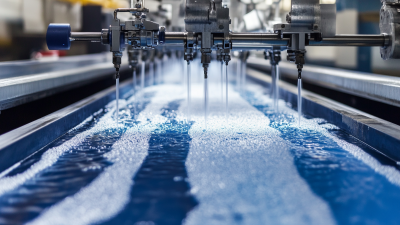
Water jet machines have transformed textile cutting. Their functionality relies on high-pressure water streams to cut various fabrics with precision. Unlike traditional cutting methods, water jets do not create heat. This reduces fraying and ensures clean edges. Such machines can handle natural and synthetic textiles equally well, making them versatile tools for designers and manufacturers.
When choosing a water jet machine, consider the material type you will be working with. Heavier fabrics may require more powerful jets, while delicate materials need gentler settings. Pay attention to the machine's precision features. Accurate cutting can significantly reduce waste and improve production efficiency.
Here’s a tip: always review the machine's maintenance requirements. Regular upkeep is essential for performance consistency and longevity. Understanding the technology behind water jets helps inform this decision. It may feel overwhelming at first, but taking the time to learn is worth it.
Another tip is to test different machines before purchasing. Hands-on experience with each model can reveal which best suits your unique needs. Each facility may have varying requirements, so what works for one business may not work for another.
Key Factors to Consider When Selecting a Water Jet Machine
Choosing the right water jet machine for textiles is crucial for achieving optimal results in fabric cutting and shaping. One key factor to consider is the water pressure. Machines that operate at 60,000 psi can offer precise cutting but may require more maintenance. It's essential to balance pressure with the type of textile being used. Thicker materials benefit from higher pressure, while delicate fabrics may fray.
Another significant aspect is the size and capability of the cutting bed. A larger cutting bed allows for handling bigger pieces, which is beneficial for bulk production. However, choosing a compact model might be more cost-efficient for smaller operations. According to a report by the Fabricators & Manufacturers Association, over 40% of textile businesses cite versatility in machine capabilities as a primary purchasing criterion.
Automation features also play a critical role in enhancing productivity. While fully automated systems can reduce labor costs, some manufacturers still prefer semi-automated systems for their flexibility. This raises questions about the long-term investment versus immediate needs. Every company should reassess their specific requirements to ensure alignment with their production goals. Investing time in these considerations can lead to more informed decisions and better machinery longevity.
Comparing Water Jet Machine Brands and Models for Textiles
When selecting a water jet machine for textiles, it's essential to compare various brands and models. Each machine has unique features that cater to specific textile applications. Factors like cutting speed, pressure, and precision play a crucial role in determining efficiency and quality. Some machines excel in intricate designs while others are better for performance in bulk production.
Tips: Always consider your primary usage. Are you focused on small customization or large-scale production? Understanding your needs will guide you towards the most appropriate model. Additionally, maintenance options and availability of parts can significantly affect long-term reliability.
Furthermore, reviews can be enlightening, but always seek information from multiple sources. Some users may provide misleading opinions based on individual experiences. Look for feedback from industry professionals who have tested various machines. This can help identify any flaws or advantages that might not be immediately apparent. The right choice is not just about features; it’s also about ensuring the machine’s performance aligns with your operational goals.
Comparison of Water Jet Machine Features for Textiles
Evaluating Maintenance and Support for Water Jet Machines
When choosing a water jet machine for textiles, maintenance and support cannot be overlooked. Reliable maintenance plays a crucial role in ensuring the longevity of the equipment. Regular checks can prevent unforeseen breakdowns. A solid maintenance plan often includes routine cleaning and parts replacement. It's vital to assess how easy it is to access these services. Is there local support? Do they offer timely service?
Support is equally important. Having a responsive support team can save you valuable production time. Consider the availability of technical assistance when issues arise. Detailed manuals can help operators troubleshoot problems on their own. However, complex machines sometimes require expert intervention. Reflecting on past experiences can be valuable. Have previous concerns been addressed promptly?
Choosing a water jet machine is a significant investment. Failing to evaluate maintenance and support might lead to costly downtimes. Every detail matters. Think about your specific needs and potential challenges. The water jet machine should work for you, not the other way around.
How to Choose the Best Water Jet Machine for Textiles? - Evaluating Maintenance and Support for Water Jet Machines
| Feature |
Consideration |
Benefits |
| Maintenance Frequency |
Daily, Weekly, Monthly |
Ensures machine longevity and optimal performance |
| Technical Support Availability |
24/7, Business Hours, On-Site |
Quick troubleshooting and reduced downtime |
| Replacement Parts Accessibility |
Local, Online, Backorder |
Minimizes wait time for repairs |
| User Training and Resources |
In-person, Online, Manuals |
Enhances user competence and reduces errors |
| Warranty Duration |
1 Year, 2 Years, 5 Years |
Protection against unexpected costs |
Cost Considerations in Choosing a Water Jet Machine for Textiles
When considering the cost of a water jet machine for textiles, various factors come into play. Initially, prices can vary significantly based on machine specifications. Entry-level models may be more affordable but often lack efficiency. Higher-end machines tend to offer advanced features but require a larger initial investment. It's essential to analyze both short-term and long-term costs.
Operating costs are another crucial aspect. Water jet machines require maintenance, energy, and materials, which can accumulate over time. Some machines may consume more water or abrasive materials, impacting overall expenditures. Evaluating these details can help you understand potential overheads and their impact on profit margins.
In addition, consider the training for staff. Some machines are user-friendly, while others require technical expertise. The cost of training can add up, especially in a high-turnover industry. It's worth reflecting on whether lower upfront costs might lead to higher operational costs down the road. Balancing affordability with long-term reliability is key in the selection process.