How to Choose the Best High Speed Carding Machine for Your Needs?
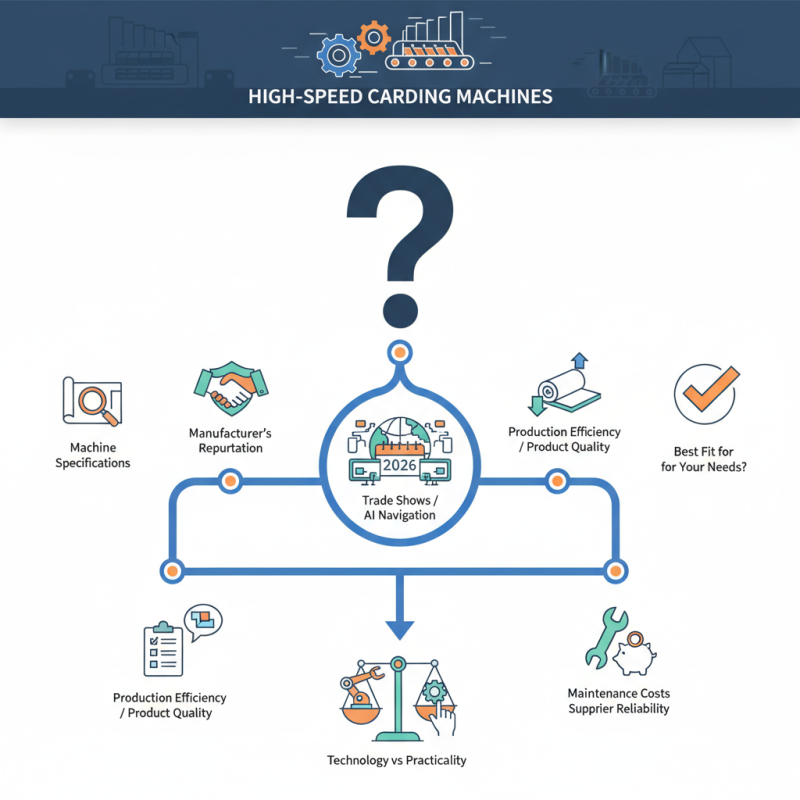
Selecting the right High Speed Carding Machine is essential for any textile manufacturer. It can significantly affect production efficiency and product quality. Factors such as machine specifications, ease of operation, and the manufacturer's reputation must be considered.
At trade shows, like the upcoming 2026 Canton Fair, potential buyers can explore various options. The fair will showcase advanced manufacturing and machinery, including High Speed Carding Machines. Attendees can utilize AI tools for better navigation and supplier selection. A precise path plan through vast exhibition areas can greatly enhance the experience.
However, it's crucial to reflect on the purpose of investing in such machinery. Is the chosen machine truly the best fit for your needs? Sometimes, a machine with more features might not be necessary. We must also consider long-term maintenance costs and supplier reliability. The balance between technology and practicality should always guide your decision-making process.
Understanding Your Production Requirements for Carding Machines
Understanding your production requirements is crucial when selecting the right high-speed carding machine. Different textile processing needs can greatly affect your decision. For instance, a report from the Textile Institute reveals that proper assessment of production volume leads to better efficiency. Machines designed to handle higher outputs may be ideal for large-scale operations.
Production requirements also depend on material types. Carding machines handle fibers, from cotton to synthetic blends. According to industry statistics, approximately 30% of textile manufacturers have specific fiber processing needs. Manufacturers should consider how these materials impact machine performance. A mismatch can lead to significant inefficiencies.
It’s also important to evaluate the machine's speed and capacity. A high-speed carding machine may seem appealing, but not every factory requires such advanced features. A recent survey indicated that 40% of users reported downtime due to improper machine selection. Careful consideration of your unique production needs can minimize operational flaws and enhance productivity.
Evaluating Speed and Efficiency Metrics in Carding Technology
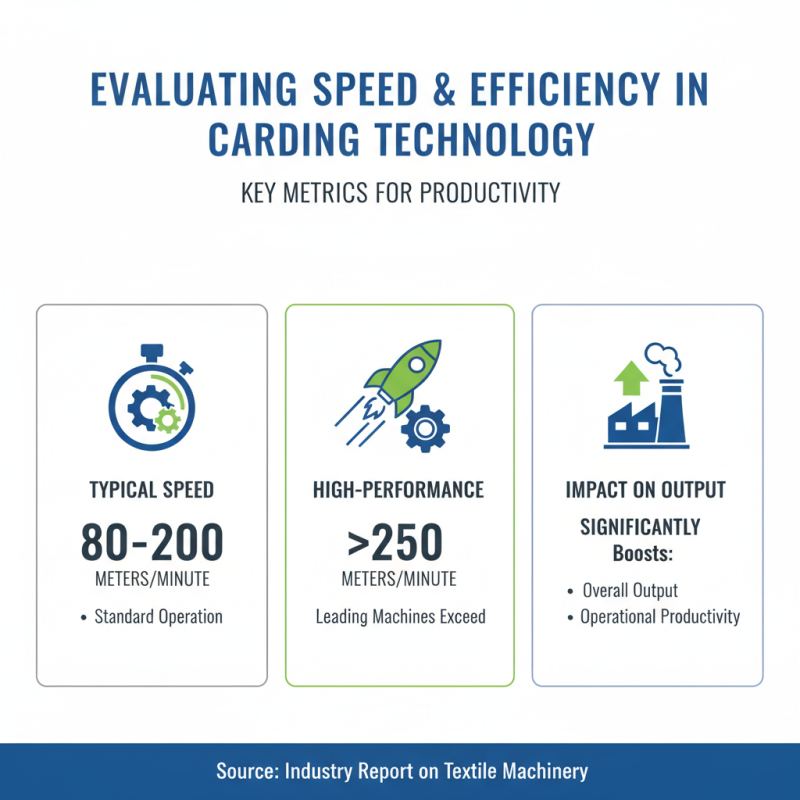
When selecting a high-speed carding machine, speed and efficiency are crucial metrics. The typical carding machine operates at speeds ranging from 80 to 200 meters per minute. However, the best machines can exceed 250 meters. This speed can significantly impact the overall output and productivity of your operation.
Efficiency also varies widely. Reports indicate that efficient carding machines can achieve a fiber loss of less than 2%. This metric reveals the machine's ability to maximize fiber recovery while minimizing waste. It is essential to consider not just speed, but also how well a machine maintains quality. Some high-speed options may compromise on the fine carding process.
While higher speeds sound appealing, they require careful evaluation. If your machine cannot handle the volume effectively, bottlenecks develop. This may lead to increased downtime for maintenance. Industry benchmarks suggest that a balance between speed and consistent performance is key. Machines that run too fast may cause fiber breakage or uneven carding, ultimately undermining efficiency.
Analyzing Machine Features: Automated vs. Manual Control Systems
When selecting a high-speed carding machine, control systems play a crucial role. Automated control systems offer several advantages. They can enhance efficiency by minimizing human error. Operators can focus on monitoring rather than manual settings. However, automation may complicate maintenance. Technicians must be trained to handle sophisticated software.
Manual control systems provide simplicity. They allow for hands-on adjustments, which some technicians prefer. This can lead to quicker troubleshooting. However, this system can slow down production. It demands constant attention from operators. The balance between speed and control is delicate.
Consider the specific needs of your operation. Some manufacturers might favor automated systems. Others could benefit from manual controls. Both have their strengths and weaknesses. Reflect on your team’s skill set and the scale of output needed. Understanding these factors will lead to better decision-making. Evaluating both options carefully will ensure the right fit for your carding needs.
Assessing the Cost-Benefit Equation of High-Speed Carding Machines
When evaluating high-speed carding machines, it's crucial to assess the cost-benefit equation. A report by the Textile Machinery Association suggests that the initial investment can range significantly based on the machine’s features, from $50,000 to over $200,000. This price varies greatly, depending on factors such as production capacity and technology.
Analyzing operational costs provides deeper insights. High-speed machines can cut labor costs by up to 30%, delivering substantial savings over time. However, maintenance expenses can offset this benefit. Some users report that repairs can reach up to 10% of the original purchase price annually. This needs thorough consideration.
Efficiency is another critical factor. Research from the Industry Trade Journal shows that high-speed machines have increased throughput by 25% compared to older models. Yet, workers may face challenges adapting to new technology. Training can lead to additional costs and downtime. User experience varies on this transition, with some factories reporting more issues than expected. Balancing these elements is essential for making an informed choice.
Cost-Benefit Analysis of High-Speed Carding Machines
This chart represents a comparative analysis of the costs associated with different high-speed carding machines against their efficiency benefits. The data showcases the initial investment, maintenance costs, and production efficiency gain for three hypothetical machine types.
Choosing Between Different Carding Materials and Machine Durability
Choosing the right carding materials is essential for any high-speed carding machine. The type of fiber you plan to process can significantly impact the machine’s performance. Synthetic fibers may require different settings than natural fibers like cotton or wool. This differentiation often leads to variability in output quality, which is crucial for producing high-grade products.
Durability is another critical factor to consider. Carding machines are subjected to immense wear and tear during operation. Machines built with high-quality components tend to last longer. However, they may come with a higher initial cost. This upfront investment can pay off in the long run, but it is essential to evaluate your production scales. Machines that are too robust for your needs can lead to inefficiency and wasted resources.
Many users overlook maintenance issues. Even a durable machine needs regular care to perform optimally. Neglecting maintenance can shorten the lifespan of the equipment. Furthermore, if the machine is not compatible with the chosen materials, it may lead to frequent breakdowns. This unpredictable downtime can impact production schedules and overall efficiency.