What is a Water Jet Machine for Textile Cutting and Its Benefits?
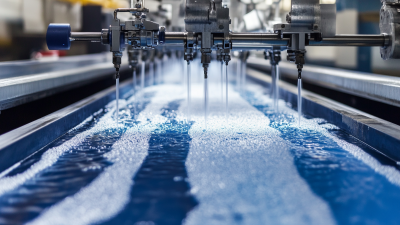
In the realm of textile cutting, the Water Jet Machine Textile has emerged as a revolutionary tool. This technology utilizes high-pressure water jets to cut through various fabrics with precision and speed. Its adaptability and efficiency make it a game-changer for manufacturers.
The benefits of using a Water Jet Machine Textile are notable. It creates clean edges and reduces fraying, which is essential for quality textiles. Moreover, this method is less likely to damage delicate materials compared to traditional cutting techniques. However, it requires a skilled operator to maximize its potential.
Despite its advantages, the implementation of this machine is not without challenges. Initial investment costs can be high, and maintenance requires expertise. These factors may deter some businesses from embracing this technology. Reflecting on these aspects can lead to better decision-making in textile production.
What is a Water Jet Machine for Textile Cutting?
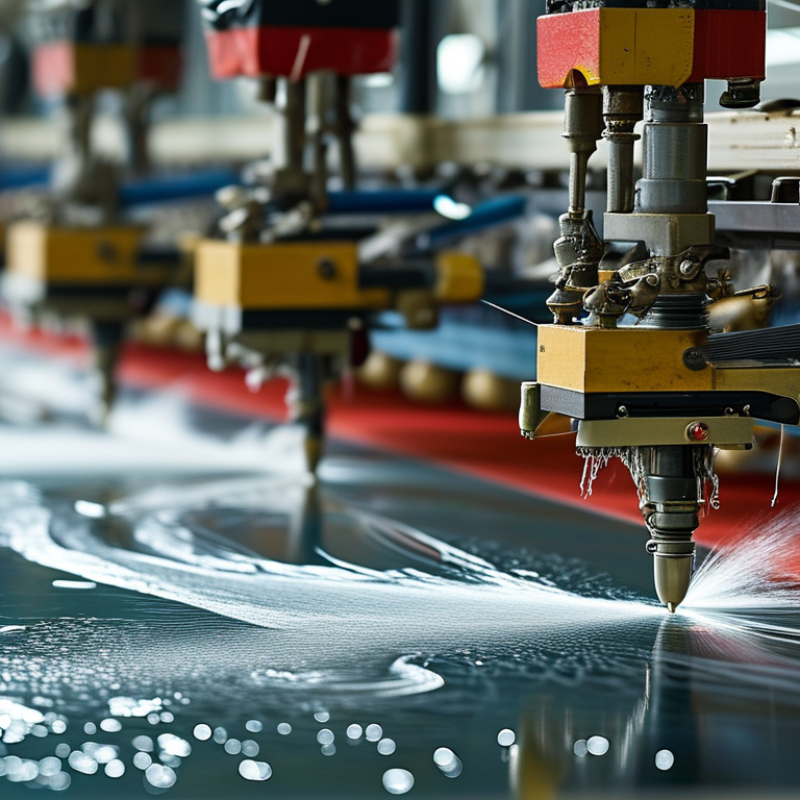
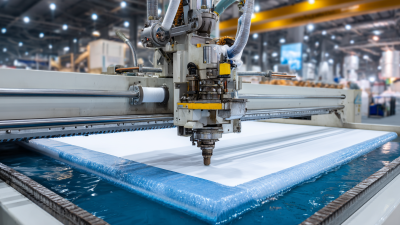
A water jet machine is an advanced tool used for textile cutting. It utilizes high-pressure water combined with abrasive materials to cut through various textiles with precision. This process is not only accurate but also versatile. It allows for various fabrics, including soft, thick, and layered materials, to be cut without fraying or damaging edges.
Recent studies indicate that water jet cutting can reduce material waste by up to 70%. This efficiency is crucial for the textile industry, where preserving raw material is essential. The ability to create complex patterns with minimal waste reflects the machine's precision. In addition, the absence of heat during cutting prevents any thermal damage to the fibers. Traditional cutting methods, like laser cutting, often produce burning or melting at the edges. The water jet method circumvents these issues effectively.
However, the initial investment in water jet technology can be substantial. This factor may deter smaller manufacturers from adopting it. Moreover, maintenance and operation require skilled personnel, which adds to the operational challenges. Balancing costs and benefits is vital for manufacturers considering this technology. Despite these challenges, the benefits of accuracy and waste reduction make water jet machines a compelling choice for the future of textile cutting.
Mechanism of Water Jet Cutting Technology in Textiles
Water jet cutting technology has revolutionized the textile industry. This method uses a high-pressure jet of water mixed with abrasives to slice through fabrics. It provides precise cuts without fraying edges. The technology is highly adaptable, working on various materials, from delicate silks to thick canvas.
The water jet machine operates by firing a focused stream of water at ultra-high pressure. This pressure can exceed 60,000 psi, allowing the jet to penetrate fabrics with ease. The process generates minimal heat, preserving the integrity of the textile. As a result, colors remain vivid and textures intact. Unlike traditional cutting methods, water jet cutting does not dull blades or require frequent replacements.
However, not all applications benefit equally from this technology. The initial investment for a water jet machine can be high, and maintenance requires specialized knowledge. Operators must also be trained to maximize efficiency. As with any technology, continuous evaluation and improvement are necessary to ensure optimal performance in textile cutting.
What is a Water Jet Machine for Textile Cutting and Its Benefits?
| Feature |
Description |
Benefits |
| Cutting Mechanism |
Utilizes a high-pressure stream of water mixed with abrasives to cut fabrics. |
Precision cutting with intricate designs. |
| Materials Compatibility |
Suitable for a variety of textiles, including natural and synthetic fibers. |
Versatile for different fabric types, minimizing waste. |
| Edge Quality |
Produces smooth edges without fraying. |
Reduces the need for additional finishing processes. |
| Eco-Friendly |
Uses water as the primary cutting medium, reducing chemical usage. |
Lower environmental impact compared to traditional cutting methods. |
| Cost Efficiency |
Minimizes material waste and reduces labor costs. |
Increased profitability through efficiency. |
Advantages of Using Water Jet Machines for Textile Cutting
Water jet machines have gained popularity in textile cutting due to their unique capabilities. These machines use high-pressure water to cut through various materials. The process is both efficient and precise, making it ideal for intricate designs. One notable advantage is the lack of heat during cutting. This helps avoid damaging delicate fabrics, preserving their quality and appearance.
Another benefit is the versatility these machines provide. They can effortlessly cut through different textiles, including cotton, wool, and synthetic materials. This flexibility appeals to various industries, from fashion to upholstery. However, there can be challenges. The initial setup cost of water jet machines can be high. Proper training and maintenance are essential to maximize their efficiency.
Attention to detail is vital when using a water jet machine. Operators must understand how different fabric types react to water cutting. Some fabrics may fray or absorb water differently. Regular adjustments to pressure settings are necessary for optimal results, as not all materials require the same force. Embracing these nuances can lead to superior finished products.
Applications of Water Jet Machines in the Textile Industry
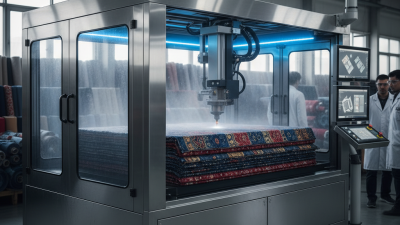
Water jet machines have gained popularity in the textile industry. These machines utilize high-pressure water to cut through various fabrics, offering precision and versatility. Their applications range from fashion design to technical textiles, showcasing their adaptability in multiple sectors. The global water jet cutting market is projected to reach $1.4 billion by 2025, according to industry reports. This indicates a growing acceptance of this technology within the textile sector.
In garment production, water jet machines excel at creating intricate designs without fraying edges. This results in cleaner cuts and reduces fabric waste. Many manufacturers report a significant decrease in production time. With faster turnaround times, businesses can meet tight deadlines efficiently. Still, some users express challenges in managing machine maintenance, highlighting the need for regular checks to ensure optimal performance.
Tips: Consider the type of fabric you are using. Different materials react differently to water jet cutting. Also, training operators to handle these machines is crucial. Proper training can enhance productivity and reduce mistakes. Monitoring machine performance can uncover potential issues early on, thus preventing larger disruptions.
Applications of Water Jet Machines in the Textile Industry
Comparing Water Jet Cutting to Other Textile Cutting Methods
Water jet cutting is gaining traction in textile manufacturing for its precision and versatility. Unlike traditional methods, water jet cutting uses high-pressure streams of water mixed with abrasive materials. This allows for intricate designs and patterns without fraying edges. A report by the Fabricators & Manufacturers Association found that water jet cutting reduces material waste by up to 30% compared to laser cutting. This efficiency makes it an appealing choice for many textile companies.
When comparing water jet cutting to methods like laser or die cutting, water jets excel in handling a wider range of materials. Laser cutting can produce heat-affected zones, which may alter fabric properties. Water jet cutting, however, remains cool, preserving the integrity of delicate textiles. A study from the International Journal of Advanced Manufacturing Technology indicates that water jet technology has an accuracy level of 0.1 mm, far surpassing conventional cutting.
However, this technology is not without its flaws. The initial investment for water jet machines can be significant. Maintenance costs may also accumulate over time, requiring careful budgeting. Despite these challenges, the unique benefits of water jet cutting make it a competitive option for the textile industry. The need for precision and reduced waste often outweighs the drawbacks, encouraging companies to rethink their material processing methods.